
Como is a name with several meanings, and in the last few days one of them has dominated the news: on October 21, 2026, the small Italian football club Como 1907 beat Manchester United 4-1 in the UEFA Champions League, a result that sent searches for the name soaring. If you typed it into a search bar hoping to learn about the city and lake in northern Italy, the club behind the upset, a town in the United States, or even the Spanish word that means “how” or “like,” this guide sorts out each meaning and explains what is worth knowing about every one of them.
At AI Power Digest, we cover the places where technology, money, and culture overlap, and this story is a surprisingly good case study: a tourist destination turned football brand, a lakeside city that attracts global visitors, and a name that scammers also like to borrow. Below, you will find a quick disambiguation, a guide to the city and its lake, the story of the football club and its rapid rise, travel and money tips, scam warnings, and a short note on the Spanish word. Every claim is attributed to a named source, and we flag where details may have changed.
Quick note before we begin: this article is informational and is not financial, travel, or legal advice.
What Does Como Mean? A Quick Disambiguation
Como most often refers to the city and comune in the Lombardy region of Italy, according to Wikipedia’s disambiguation page. The same name is shared by many other places, including suburbs in Sydney, Perth, and the Sunshine Coast in Australia, and communities in several American states such as Mississippi, Texas, Tennessee, North Carolina, Illinois, and Wisconsin. There is also a Como Park in Saint Paul, Minnesota, and a famous dinosaur fossil site called Como Bluff in Wyoming.
The Meanings Most People Are Searching For
For most readers today, the name points to one of three things. The first is the Italian city of Como and the lake that shares its name. The second is Como 1907, the Serie A football club. The third is the Spanish and Portuguese word “como,” which is the unaccented form of the question word “cómo,” meaning “how,” and which also means “like” or “as” in many contexts. This article covers all three, with the most space given to the city and the club.
Why the Name Is Everywhere Right Now
A viral football result drew millions of new eyes to a small city. Search interest typically rises after a surprising match, and that creates opportunities for both useful content and misleading content, which is why we include a section on scams and verification later in this guide.
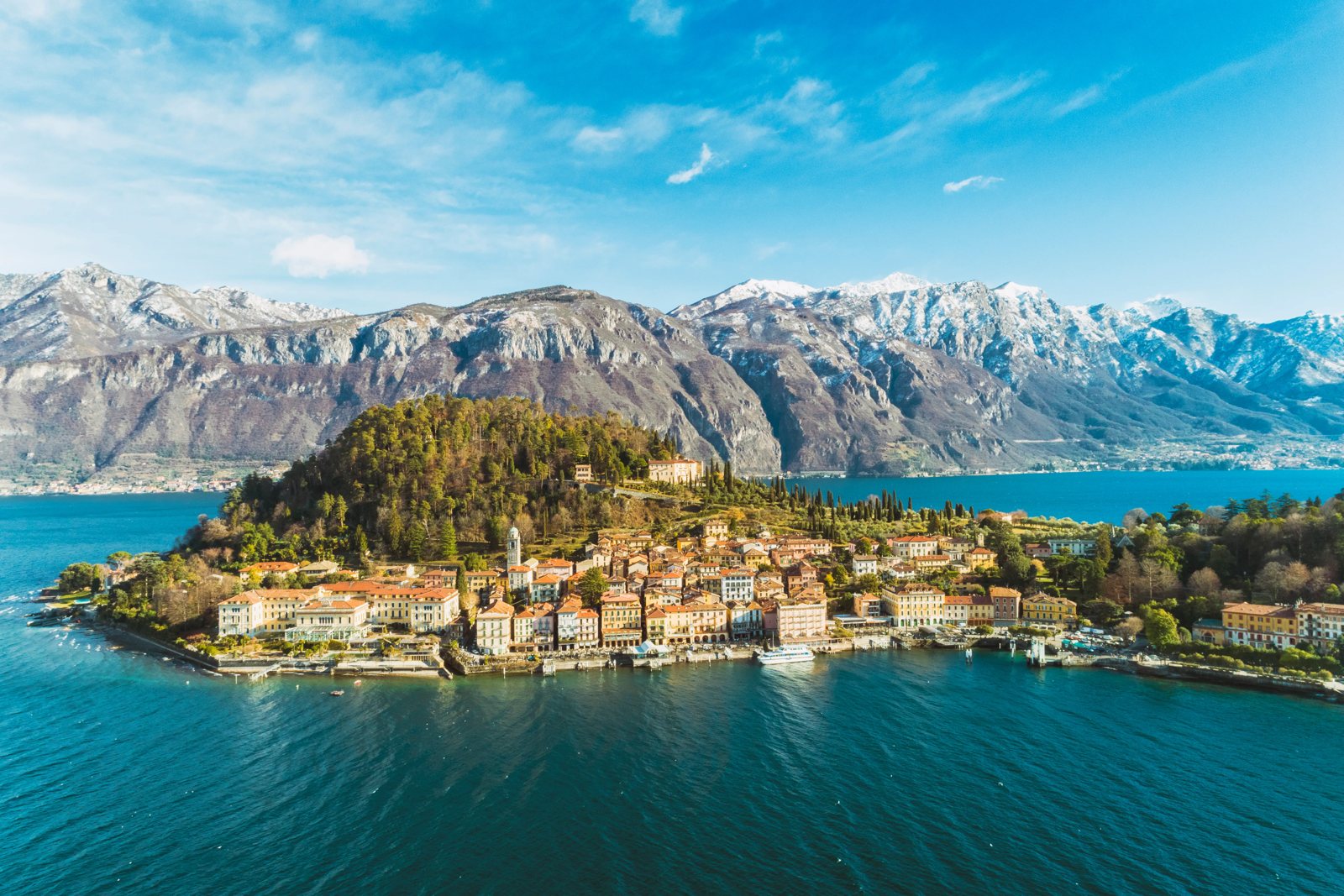
Como, Italy: The City on the Lake
The city of Como sits at the southwestern tip of the lake in Lombardy, not far from Milan. According to a Wikipedia table of municipalities, the city had a population of about 83,035 people in 2026, spread over roughly 37 square kilometers. It is the capital of the Province of Como, which had a population of about 598,562 in 2026 and includes 147 municipalities.
Geography and Setting
The province lies in the Lugano Prealps, and its most important body of water is the glacial Lake Como, according to Wikipedia. Visitors often describe the setting as a combination of mountains, villas, and waterfront promenades. Tripadvisor describes the city as aristocratic, with waterside gardens and palatial villas, and says it has long been a playground for the wealthy while also attracting Milanese visitors who plan trips across the lake region and to nearby Bellagio.
What Visitors Commonly Do There
Based on Tripadvisor’s Como travel guide, popular attractions include the cathedral and the funicular up to Brunate, and many travelers take ferries from the city to explore the central lake area, including Bellagio and Menaggio. The site also notes that some users recommend focusing on Bellagio and Varenna for their scenery and smaller crowds compared with the city itself. A 10-kilometer walking route called the Greenway del Lago is described as a way to see lakeside villages on foot.
Why Tourism Matters Economically
Tourism is a major theme in the story of the city. A lakeside city with international name recognition can attract visitors who spend on hotels, restaurants, ferries, and shopping. That economic engine is also part of why the local football club has chosen to build its identity around the destination, as we explain below.
Como 1907: From Amateur Football to the Champions League
The club’s rise is one of the most unusual stories in recent European football. According to an ESPN feature, the club does not have a long history of major trophies or a state-of-the-art stadium, and they do not have superstar players in the traditional sense. Instead, they have a lake, a picturesque location, and a strategy to use both.
A Remarkable Climb
ESPN reported that the club was declared bankrupt twice since 2003 and was playing in Italy’s amateur fourth tier as recently as the 2018-19 season. Seven years later, the same feature notes, the club is a Champions League participant. Few clubs in any era have moved from amateur football to Europe’s top competition so quickly, which is why the story attracts so much attention.
The “Sports Tourism Destination” Strategy
The ESPN article says that, while some clubs worry that courting tourists could alienate local supporters, this one is embracing them. The club plays at the 12,000-capacity Stadio Giuseppe Sinigaglia, which is just steps from Lake Como, and markets itself as a “sports tourism destination.” The same report says well-known visitors regularly pass through the city. Fans from around the world have formed supporters’ groups: ESPN cites an Isle of Wight chapter that began when friends visiting Milan realized neither of that city’s teams was playing and made the trip to watch Como, and a Scottish group called the Como Tartan Army with about 3,000 members.
Leadership
Club president Mirwan Suwarso told ESPN that he was working for a television station when it lost the rights to the Italian League, a story he used to explain how the project began. Beyond that, we will not speculate about ownership or finances, because those details should be verified in official club statements and reputable financial reporting.
The Manchester United Match
On October 21, 2026, the club hosted Manchester United at the Stadio Giuseppe Sinigaglia in the Champions League league phase. According to ESPN’s results listing, the hosts won 4-1. ESPN’s team page also carried a headline in which United coach Michael Carrick apologized to fans for what he called an “unacceptable” performance.
What the Result Means
The win is a milestone for a club that was in the amateur ranks only a few years ago, and it will likely be remembered as one of the upsets of this season’s competition. It does not by itself prove anything about the club’s long-term future. A single result is a data point, not a forecast, and football outcomes can change quickly.
Where the Team Stands
ESPN’s team page lists the club in fifth place in Italy’s Serie A with a record of 4 wins, 2 draws, and 1 loss, and the club’s schedule shows an upcoming Serie A match on October 24 against Sassuolo. Standings and schedules change each week, so check an official source before relying on these details.
The Other Results
The same ESPN listing shows a mix of results this season, including a Champions League draw with Roma, a loss at Fiorentina, and wins over teams such as Parma and Red Bull Leipzig. Readers who want a complete record should consult the league’s official site or a reliable sports data provider.
Planning a Trip to Como
Whether you are inspired by the football or the scenery, a trip requires planning. Here is how to approach it responsibly.
When to Go
Lake destinations often see their busiest crowds in the warmer months, and prices can rise accordingly. If you prefer fewer visitors, consider shoulder seasons, but confirm ferry schedules, attraction hours, and weather conditions before you travel, because services can be reduced outside peak periods.
Getting Around
Tripadvisor’s guide highlights ferries as a common way to explore the lake, and the funicular connects the city with Brunate above it. Check official timetables and ticket policies before you travel, and be aware that schedules can change.
Budgeting Wisely
Prices vary by season and location, and we do not quote figures here because they change. A practical approach is to compare accommodation across several booking channels, read recent reviews, check cancellation policies, and set aside a buffer for transportation and meals. If you plan to attend a match, buy tickets only from official club channels or authorized resellers.
Matchday Considerations
The stadium holds about 12,000 people, according to ESPN, which means tickets for high-profile fixtures can be scarce. That scarcity creates a market for resale scams, which we discuss next.
The Economics of Sports Tourism
The idea of a football club as a travel destination is not entirely new, but it is unusual to see it pursued so openly by a team at this level. Understanding the economics helps explain why the strategy is attractive and why it carries risks.
How the Model Works
A conventional club earns money from tickets, broadcast rights, sponsorship, and merchandise. A club that also positions itself as a tourism product can add hospitality packages, branded travel experiences, and partnerships with hotels and local businesses. Visitors who come for a match may also spend on restaurants, boat trips, and shopping, which benefits the wider local economy. When a destination already draws visitors from around the world, a club can plug into an existing flow of potential supporters rather than building a fan base from scratch.
Where the Risks Lie
There are trade-offs. Reliance on visitors can make revenue sensitive to travel patterns, economic conditions, and shifts in tourist fashion. A strategy aimed at outsiders can strain relations with long-time local supporters who want matchdays to feel like their own. And a small stadium limits how much ticket revenue is possible, which makes broadcast and sponsorship income more important. Because the club’s history includes financial failure, as reported by ESPN, sustainability is a fair question to ask.
What Readers Should Take From It
For anyone who follows sports business, the lesson is that identity and location can be assets, but they are not guarantees. Success on the pitch, sound management, and long-term planning matter as much as scenery. This is general commentary, not a prediction or financial advice, and we have not reviewed the club’s accounts.
Beyond the City: Exploring the Wider Lake Region
Many visitors treat the city as a base and spend most of their time elsewhere on the lake, so it helps to understand the surrounding area.
Villages and Day Trips
Tripadvisor’s guide names Bellagio, Menaggio, and Varenna as frequent destinations reached by ferry or on foot. Each has its own character, from busy waterfront promenades to quieter lanes. The 10-kilometer Greenway del Lago, mentioned in the guide, is one way to travel between villages while seeing the shoreline. Distances, schedules, and conditions can change, so check local timetables and weather before you set out.
Crowds and Timing
Popular spots can become crowded, especially in peak season and at weekends. If you prefer a calmer experience, consider visiting on weekdays, starting early in the day, or choosing smaller villages. Responsible tourism also means respecting residents, following local rules, and avoiding behavior that disrupts daily life.
Practical Preparations
Bring comfortable shoes for steep or uneven paths, carry water, and keep a copy of your reservations. Mobile coverage can vary in mountainous areas, so download maps in advance. If you have mobility needs, check accessibility details with each attraction and transport provider before you go.
How to Fact-Check Sports and Travel Headlines
A viral match can produce a flood of articles, social posts, and videos, and not all of them are accurate. A simple routine can help.
Check the Source and the Date
Prefer established news organizations and official channels, and look at when each item was published. Scores, standings, and schedules change quickly, so an article from last month may no longer be correct. Cross-check at least two independent sources for any figure you plan to repeat.
Separate Reporting From Opinion
A match report states what happened. A column interprets it. Both can be useful, but they are different, and opinion should not be treated as fact. When you see strong claims about a club’s future, ask what evidence supports them.
Watch for Recycled and Fabricated Content
After big events, low-quality sites often publish rewritten or invented stories to capture search traffic. Be wary of articles with no byline, no sources, or quotes that cannot be traced. If a claim seems extraordinary, look for confirmation from the people involved or from a reputable outlet.
Questions to Ask Before You Book a Trip
Planning a trip around a famous destination or a match is exciting, and a few questions can prevent costly surprises.
About Cancellation and Changes
Ask what happens if you need to cancel, whether the booking is refundable, and by what date. Check whether the policy applies to the entire stay or only part of it. For event tickets, find out what the policy is if a match is rescheduled, since fixtures can move for broadcast or safety reasons.
About Payment
Use a payment method that offers dispute protection, and avoid sending money by gift card, wire transfer, or any method that cannot be reversed. Confirm that the website address is correct and that the booking appears in your account on the platform you used. Keep screenshots of confirmations and correspondence.
About Insurance and Safety
Consider whether travel insurance is appropriate for your trip, and read what it covers and excludes. Share your itinerary with someone you trust, keep copies of important documents in a secure place, and know how to contact local emergency services. Rules and entry requirements vary by country and change over time, so check official government travel advice before you go.
About Your Budget
Set a daily spending limit that includes transport, meals, tickets, and tips, and leave room for the unexpected. Compare prices across several sources, and be cautious about deals that seem unrealistically cheap. If you are traveling from abroad, check card fees and exchange rates in advance.
Scams and Red Flags Connected to Como
Any time a place or team goes viral, fraudsters follow. Here are risks to watch for.
Ticket Scams
- Unofficial resellers selling “guaranteed” tickets at inflated prices.
- Fake ticket websites that copy the club’s branding.
- Social media sellers who ask for payment by gift card, bank transfer, or cryptocurrency.
- Screenshots of tickets that can be duplicated and sold many times.
Buy only through the club’s official channels or authorized platforms with buyer protection, and be skeptical of any seller who pressures you to pay quickly.
Accommodation and Rental Scams
- Villa or apartment listings with stolen photos and below-market prices.
- Requests to pay outside the booking platform.
- Last-minute changes to payment details after you have booked.
Verify the property through reputable platforms, read reviews, and never send a deposit by an untraceable method.
Crypto and Investment Pitches
Viral sports stories sometimes attract “fan token” or investment promoters. We cannot comment on any specific product, and nothing here is financial advice. As a rule, be cautious about any pitch that claims a club’s success guarantees returns, and verify the issuer’s identity, regulation, and terms before putting money into anything.
Impersonation
Fake social media accounts may pretend to be the club, players, or officials and offer giveaways or exclusive deals. Check for verified accounts, be careful with links, and do not share personal or payment information.
The Spanish and Portuguese Word “Como”
Because the keyword is also a common word in other languages, some readers searching for it want a language explanation.
Como Versus Cómo
In Spanish, “cómo” with an accent is a question word meaning “how,” as in “¿Cómo estás?” meaning “How are you?” Without the accent, “como” can mean “like” or “as,” as in “como tú,” meaning “like you,” or it can be a form of the verb “comer,” meaning “I eat.” Portuguese uses “como” in similar ways for “how” and “like.” The accent is therefore meaningful, and it can change the meaning of a sentence.
Why It Matters Online
Because many people omit accents when typing quickly, search engines see the same string for several different needs. That is one reason why the term is ambiguous, and why we have organized this guide by meaning rather than assuming a single intent.
A Learning Tip
If you are studying Spanish, practice reading short sentences and listening for how native speakers use the word. A reputable language course or dictionary can give you accurate examples, and no single article is a substitute for structured study.
Reading Match Statistics Without Overreacting
Because a single upset can reshape how people talk about a team, it helps to know how to read results with perspective.
One Match Is a Small Sample
Football is a low-scoring sport with a lot of randomness. A team can win comfortably in one match and lose heavily in the next without any real change in quality. Analysts therefore look at trends over many matches, including shots, chances created, and defensive performance, instead of relying on a single scoreline. That is why a 4-1 result is exciting but not conclusive.
Context Changes the Meaning
Injuries, suspensions, travel, and tactical choices all affect a result. A club playing at home in front of its supporters may have an edge, and the opposing side may have had a bad night. Responsible commentary mentions these factors rather than treating the outcome as a simple verdict on which team is better.
Standings Move Quickly
League tables update after every round, and a team in fifth place can move up or down several spots in a week. If you plan to cite a ranking in a post, a conversation, or a bet, note the date. Gambling on sports carries real financial risk, is restricted to adults in most places, and can become harmful, so set limits and seek help from a qualified service if it stops being fun.
Use Reliable Data Providers
The league’s official site, major sports media, and established statistics providers are the best places to confirm numbers. Be cautious with screenshots and social media graphics, which can be edited or taken out of context.
A Simple Checklist for Following a Rising Club
If the story has made you curious, a few habits can help you follow it responsibly.
- Follow official channels for news about fixtures, tickets, and announcements.
- Read match reports from several outlets to get different perspectives.
- Be skeptical of transfer rumors, which spread fast and are often wrong.
- Check dates on everything you read, especially standings and schedules.
- Avoid unofficial merchandise sellers and look for authorized stores.
- Respect local fans and residents if you visit in person.
These steps apply to any club, and they are especially useful when attention surges after a high-profile result.
A Short Timeline of the Club and City in the News
- 2003 onward: The club is declared bankrupt twice, according to ESPN.
- 2018-19: Como play in Italy’s amateur fourth tier, per ESPN.
- Recent seasons: The club rises through the divisions and becomes a Champions League participant.
- October 21, 2026: The club beat Manchester United 4-1 at home.
- October 24, 2026: The club has a Serie A fixture scheduled against Sassuolo, according to ESPN’s schedule.
How to Keep Up With Accurate Information
For the latest, use official club channels, the league’s website, and established sports media. Avoid unverified rumors about transfers, finances, and ownership, which spread quickly after a big result.
Common Myths About Como
Myth: Como is only a holiday spot. It is a real city with a population of tens of thousands, a province with about 600,000 people, and a football club with a growing profile.
Myth: The club has always been successful. ESPN reports it was in the amateur fourth tier as recently as 2018-19 and has been declared bankrupt twice since 2003.
Myth: One win proves the project will succeed. A single result does not predict long-term outcomes.
Myth: Every place with this name is in Italy. The name is shared by many places around the world, including suburbs in Australia and towns in the United States.
Myth: “Como” and “cómo” mean the same thing. The accent distinguishes the question word “how” from other uses.
Frequently Asked Questions About Como
What is Como?
It most commonly refers to the city and comune in Lombardy, Italy, which sits on Lake Como. The name is also shared by Como 1907, the Serie A football club, and by many places around the world.
Where is Como located?
Como is in the Lombardy region of northern Italy, near Milan, at the southwestern end of Lake Como, according to Wikipedia and Tripadvisor.
How many people live in Como?
A Wikipedia table lists about 83,035 residents for the city in 2026, and the Province of Como had about 598,562 residents.
What happened in the Como vs Manchester United match?
The hosts won 4-1 on October 21, 2026, in the Champions League league phase, according to ESPN’s results.
Is Como a Serie A team?
Yes. ESPN lists the club in fifth place in Italian Serie A with 4 wins, 2 draws, and 1 loss at the time of its report. Standings change weekly.
What is Como’s stadium?
The club plays at Stadio Giuseppe Sinigaglia, which ESPN says holds about 12,000 people and sits a few steps from Lake Como.
What does “como” mean in Spanish?
Without an accent, “como” means “like” or “as,” or “I eat” from the verb “comer.” With an accent, “cómo” means “how.”
Where can I find reliable information about Como?
Use official club and league websites, established sports media such as ESPN, and travel resources such as Tripadvisor for visitor information. Cross-check details and be careful with unverified social media posts.
Conclusion: One Name, Many Stories
Como is a lake, a city, a football club, a Spanish word, and a place name on several continents. This week, the football club took center stage with a stunning result over Manchester United, but the underlying story is bigger: a small lakeside city, a quickly rising club, and a tourism economy that makes both stand out. The most useful approach is to be clear about which meaning you are searching for, rely on reputable sources, and be wary of anyone trying to cash in on the attention.
If you want more plain-English explainers on the stories that connect culture, technology, and money, keep following AI Power Digest for updates and analysis. And whenever a new headline about Como appears, you will know which Como is being discussed and how to check the facts.
Disclaimer: This article is for general informational and entertainment purposes only. It is not financial, investment, travel, or legal advice. Match results, standings, schedules, population figures, and travel details come from publicly reported sources as of October 22, 2026, and may change. Always verify details with official sources before making plans or financial decisions.