
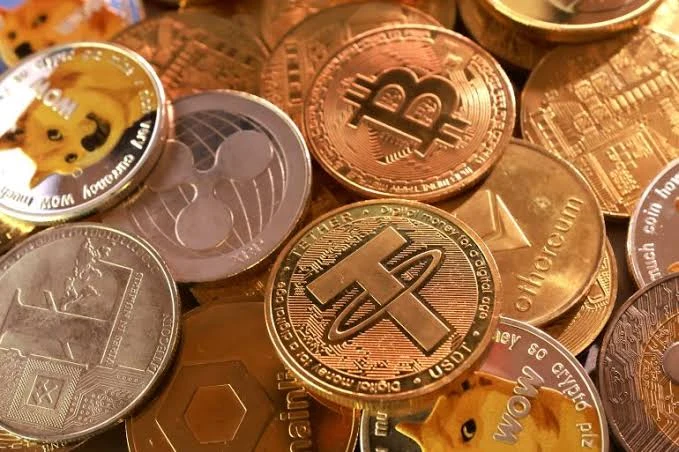
Crypto news moves faster than almost any other beat in finance, and that speed is both its greatest strength and its biggest danger. A regulatory ruling, an exchange outage, or a rumor posted at 3 a.m. can ripple across social feeds in minutes, long before anyone has checked whether it is true. For readers, the challenge is no longer finding information. It is deciding which information deserves trust.
This guide from AI Power Digest is not a price ticker and does not tell you what to buy. It explains where reliable reporting comes from, how to test a story before you act on it, how to spot paid promotion and outright scams, and how to build a routine that keeps you informed without keeping you glued to your phone. Along the way, we will use a real, recent legislative storyline as a case study.
This article is educational and informational only. It is not financial advice, and nothing here is a recommendation to buy, sell, or hold any digital asset. Crypto assets are volatile and risky, and you can lose some or all of the money you put in.
What Counts as Crypto News (and What Is Just Noise)
The main types of crypto news
Not every item that carries the label is the same kind of information. Learning to sort a story into a category is the first step in judging it. Most crypto news falls into a handful of buckets:
- Market coverage: price moves, trading volume, liquidations, and fund flows.
- Regulatory and legal news: laws, agency actions, court rulings, and enforcement.
- Technology and protocol news: network upgrades, new tools, and developer announcements.
- Security news: hacks, exploits, outages, and wallet vulnerabilities.
- Corporate and institutional news: exchange earnings, fund launches, partnerships, and acquisitions.
- Opinion, analysis, and sponsored content: columns, newsletters, and paid placements.
A story can straddle categories, but knowing the dominant type tells you what evidence to look for. A regulatory story should point to a bill, a rule, or a filing. A security story should point to a transaction, an audit, or a statement from the affected team. A market story should explain what moved and over what time frame.
News versus noise
Noise is content that feels urgent but adds nothing you can verify. It includes anonymous posts claiming insider knowledge, screenshots with no source, countdowns to a supposedly huge announcement, and threads that end with a link to join a private group. A good rule is that real crypto news names its sources, shows its evidence, and survives a second look. Noise relies on emotion and speed.
Why the crypto news cycle is unusually fast
Digital asset markets trade around the clock, every day of the year. There is no closing bell to give journalists and readers time to catch up. Projects often announce on social media first and publish documentation later. Communities amplify rumors quickly. All of this makes the crypto news cycle faster and less filtered than coverage of traditional markets, which means readers have to supply more of the filtering themselves.
Where Reliable Crypto News Comes From
Primary sources come first
The best crypto news is a pointer to something you can check yourself. For regulation, that means the text of a bill on Congress’s website, a regulator’s press release, or a court docket. For companies, it means official filings and investor-relations pages. For projects, it means official documentation, code repositories, and block explorers that show transactions directly on the network. When an article cites a primary source, open it. When it does not, ask why.
Specialist crypto outlets
Dedicated outlets such as CoinDesk, Decrypt, Cointelegraph, and The Block employ reporters who cover the industry daily and have sources inside it. They often break stories first and understand technical details that general outlets miss. They also have different editorial standards, ownership structures, and commercial relationships, so it pays to learn how each one separates news from sponsored material and opinion.
General business and financial press
Mainstream financial publications and wire services tend to be slower on crypto news, but they bring broader context and, at their best, rigorous editorial review. When a major story appears in both a specialist outlet and a general business outlet with consistent details, your confidence in it should go up.
Data aggregators
Sites like CoinGecko and CoinMarketCap list prices, market capitalizations, trading volumes, and exchange data across thousands of assets. They are useful for checking basic facts quickly, but they are data tools, not editorial authorities. Data can lag, and thinly traded assets can show misleading numbers, so treat aggregator figures as a starting point.
Social media, newsletters, and podcasts
Social platforms are where crypto news often breaks first and where misinformation spreads fastest. Newsletters and podcasts can add useful analysis, but many creators hold the assets they discuss, accept sponsorships, or earn affiliate fees. That does not make them wrong, but it is a conflict of interest you should factor in. Look for disclosure statements, and be skeptical of any source that never acknowledges risk.
A Case Study: How Crypto News About the CLARITY Act Unfolded in 2026
A recent legislative storyline shows how to follow crypto news responsibly: stick to the facts, notice who is speaking, and separate what happened from what might happen.
The timeline, in verified steps
The Digital Asset Market Clarity Act, usually called the CLARITY Act, is a bill meant to set rules for how digital asset markets are overseen in the United States. According to research published by Galaxy, it passed the House of Representatives on July 17, 2025, by a vote of 294 to 134. In the Senate, coverage reported that the Senate Agriculture Committee advanced its version of a market structure bill in January 2026 on party lines, and the Senate Banking Committee advanced the Digital Asset Market Clarity Act on May 14, 2026, by a vote of 15 to 9.
The path stalled in the full Senate. Decrypt reported that the bill failed to receive enough votes to advance on a key procedural vote, and CoinDesk reported that crypto stocks fell after the Senate rejected the bill, with the exchange Coinbase slipping nearly 9% in that coverage. One analyst quoted in follow-up reporting suggested that the next Congress was the likely next opportunity to address crypto market structure.
What a careful reader takes from it
First, notice that each step in the timeline can be checked against a vote record, a committee announcement, or a reputable outlet. Second, notice the difference between reported events, such as votes, and forecasts, such as “the bill will pass next year.” The former are facts. The latter are opinions, even when they come from experts. Third, notice that market reaction is a separate story from policy. A stock falling after a vote tells you how traders felt that day, not whether the policy is good or bad.
A note on stablecoin law
Policy coverage can be confusing because different laws cover different things. Separate legislation on stablecoins, widely known as the GENIUS Act, was signed into law in July 2025. Headlines about “crypto regulation” can refer to either one, and it is worth checking which bill a story is actually about.
Why prediction-market odds are not facts
Several articles on the CLARITY Act cited odds from prediction markets about whether the bill would become law in 2026. These numbers reflect what traders were willing to bet at a moment in time. They can be useful as a sentiment gauge, but they are not forecasts you can rely on, and they can swing sharply on a single headline.
How to Verify a Crypto News Story in Five Minutes
Fast verification is a skill, and most of it comes down to a repeatable routine. Before you share, trade, or even believe a piece of crypto news, run through these checks.
Step 1: Find the original source
Trace the claim back to its origin. If a headline says an exchange has been hacked, look for the exchange’s own statement. If a story says a regulator filed a case, look for the regulator’s press release or the court docket. A claim that exists only in screenshots and quote-tweets has not been verified.
Step 2: Check the date
Old stories resurface constantly, often stripped of their date. A story about an exchange collapse or a ruling from years ago can circulate as if it were breaking. Confirm the publication date and see whether anything has changed since.
Step 3: Look for a second independent source
One outlet repeating another is not independent confirmation. Look for separate reporting, or better, a primary document. If only one anonymous account has the story, wait.
Step 4: Check the URL and the account
Scammers register lookalike domains and create accounts that mimic real journalists, projects, and executives. Check the web address carefully, look at how old the account is, and be suspicious of verified badges alone, since they can be purchased on some platforms.
Step 5: Search the name with “scam” or “review”
The Federal Trade Commission advises people to search a company or offer name alongside words like “scam” or “review” to see what others have reported. The agency’s consumer education page, What to Know About Cryptocurrency Scams, is a good place to review the common patterns.
Step 6: Ask who benefits
Does the author hold the asset? Is the piece sponsored? Does the story drive you toward a link, a token, or a private group? Incentives do not make a story false, but they tell you how hard to look.
Crypto News Red Flags: FOMO, Fake Giveaways, and Paid Promotion
Urgency and fear of missing out
Phrases like “last chance,” “before everyone finds out,” and “act in the next hour” are designed to short-circuit thinking. Legitimate crypto news does not require you to act within minutes. If a message pushes you to move money quickly, treat that pressure itself as the warning sign.
Impersonation and giveaway scams
A well-known scam pattern uses fake accounts or videos of celebrities and executives promising to multiply any crypto you send. These offers are fraudulent. Coins sent to a scammer’s wallet usually cannot be recovered, because blockchain transactions are generally irreversible. If you are ever a victim or see a scam, you can report it at ReportFraud.ftc.gov.
Guaranteed returns
No legitimate source can guarantee a return on a volatile asset. Claims of “risk-free” or “guaranteed” profits are among the clearest signs of fraud. If a crypto news site or social account promotes a “signal” group with guaranteed wins, walk away.
Undisclosed advertising
Sponsored posts, paid reviews, and affiliate links are common in this industry. Reputable outlets label them. A story that reads like news but ends with a promotional call to action, and carries no disclosure, deserves extra skepticism.
Romance and “pig butchering” setups
Another pattern begins with a friendly stranger who builds a relationship over days or weeks and then introduces an “investment platform.” The FTC warns specifically against mixing online dating and investment advice. If a new contact steers a conversation toward crypto, stop.
Phishing links disguised as news
Scammers send links that claim to show breaking crypto news but actually lead to wallet-draining websites. Never connect your wallet or enter a recovery phrase because of an article, a pop-up, or a direct message. No real news story needs your seed phrase.
How Crypto News Moves Markets (and Why Reacting Is Hard)
Expected versus unexpected news
Markets tend to price in what is widely expected. Surprising news, whether good or bad, usually causes larger moves than news everyone saw coming. That is why a long-anticipated event can produce a muted reaction, or even the opposite of what a headline suggests.
Headlines move prices before facts are checked
Because digital asset markets run continuously and many traders use automated systems, headlines can move prices in seconds, even when the headline is later corrected. This is one reason chasing a move after reading a headline is difficult. By the time you read the article, the first reaction has usually already happened.
Liquidity, leverage, and amplification
Crypto markets often include significant leverage, which can magnify moves. Smaller assets can be thinly traded, so modest orders can move prices dramatically. When you read that something “plunged” or “surged,” ask about the time frame, the volume, and the liquidity, not just the percentage.
Separating the story from the price
A good habit is to evaluate the news on its merits first and look at the price second. A regulatory development might be important regardless of how the market reacts that day. Conversely, a price spike can happen on no real news at all.
Reading Crypto News Headlines Critically
Watch the verbs
Words like “could,” “may,” “sources say,” and “reportedly” signal uncertainty. Words like “approves,” “signs,” and “announces” signal a completed action. If a headline uses the second kind of word, the article should link to the action itself.
Distinguish reporting from prediction
Phrases such as “set to soar” or “poised to crash” are predictions dressed up as news. A responsible article attributes forecasts to a named source and explains the assumptions behind them. If the prediction has no named author or method, it has no evidential weight.
Check the numbers
Stories often cite figures such as market capitalization, total value locked, or daily volume. Check how the number is defined and where it came from. Different data providers calculate these figures differently, and they can disagree substantially.
Watch for cherry-picked time frames
Any asset can be made to look spectacular or terrible by choosing the right window. A headline about a one-day gain says little about a multi-year picture, and vice versa. Look for context across several time frames.
Understand what a “partnership” means
Announcements of partnerships and integrations vary widely in significance. Some involve signed commercial agreements. Others amount to a small technical collaboration or a press release with little substance. Read the details before drawing conclusions.
Crypto News and AI: Tools, Summaries, and Hallucinations
What AI is good at
AI assistants can summarize long articles, explain unfamiliar terms, and help you build a reading list. They are useful for turning a dense regulatory document into plain language, which is a real benefit when following crypto news about legislation and rules.
What AI cannot be trusted to do
AI tools can state wrong facts with great confidence. They may invent quotes, misstate dates, or confuse similarly named projects. Unless a tool is connected to live, reliable data, it cannot tell you today’s price or whether a story broke an hour ago. Treat AI-generated summaries of crypto news as a starting point and verify the key claims against the original.
AI-generated misinformation
The same technology makes it cheaper to produce fake articles, fake screenshots, cloned voices, and deepfake videos of executives and celebrities. Be especially careful with video “announcements” pushing you to send crypto or visit a site. If a clip seems too convenient, check the official account of the person or company directly.
Using AI responsibly
A good approach is to use AI to understand and organize information, not to decide what is true. Ask it to explain what a filing says, then read the filing. Ask it for questions to investigate, then investigate them.
Building a Healthy Crypto News Routine
This framework is not an instruction to trade. It is a way to stay informed without letting the news cycle run your life.
Step 1: Pick a small set of sources
Choose a few crypto news sources in different categories: one or two specialist outlets, one general business source, and a handful of primary sources such as regulators and official project channels. A short, stable list beats an endless feed.
Step 2: Set a schedule
Checking crypto news every few minutes rarely improves decisions and often worsens them. Decide when you will read, such as once in the morning and once in the evening, and stick to it.
Step 3: Keep a simple log
Write down what you read, what you believed, and what happened. Over time, you will see which sources were reliable and which were not, and you will learn how often your first reaction was wrong.
Step 4: Separate learning from acting
Reading about an event does not obligate you to respond. If you have a financial decision to make, take it slowly, consider your time horizon and risk tolerance, and consider speaking to a licensed financial professional. Never invest money you cannot afford to lose.
Step 5: Protect your accounts
Use unique passwords, a password manager, and two-factor authentication through an authenticator app rather than text messages. Keep recovery phrases offline and never share them with anyone.
Step 6: Review periodically
Once a month, revisit your sources and routine. Drop accounts that sensationalize and add ones that consistently show their work.
Crypto News for Different Types of Readers
Beginners
Newcomers benefit most from explainers rather than daily headlines. Before reacting to market coverage, learn what a blockchain, a wallet, and an exchange actually are. Slow, source-based learning beats chasing every piece of crypto news, and it protects you from the worst beginner mistakes, such as sending funds to the wrong address or trusting a stranger’s advice.
Active traders
Traders need speed, but speed multiplies errors. Even for someone who trades frequently, crypto news from a single anonymous account is a weak signal. Position sizing, risk limits, and discipline matter more than any one headline, and no news source can remove the risk of loss.
Builders and developers
Developers tend to follow protocol upgrades, security disclosures, and governance proposals. For them, the most valuable crypto news often lives in code repositories, improvement proposals, and official changelogs. Outlet summaries are helpful for orientation, but the primary documents are what you build against.
Long-term holders and curious readers
If you are not trading, you rarely need a live feed. A weekly or monthly review of significant crypto news, focused on regulation, security, and major technical changes, is usually enough. Stories that genuinely change a long-term picture are rare, while most daily commentary is short-term noise.
Common Mistakes When Following Crypto News
- Trading on the first headline. The first version of a story is often incomplete or wrong.
- Treating influencers as authorities. Large followings do not equal expertise or neutrality.
- Ignoring conflicts of interest. Many creators hold the assets they discuss.
- Confusing price with value. A rising price is not proof of a good project.
- Falling for old stories. Always check the date.
- Clicking links in direct messages. Real support teams do not initiate private messages asking for your information.
- Following too many feeds. More sources often means more noise, not more insight.
- Skipping the primary source. If you can read the filing or the bill, do so.
Security Habits for People Who Follow Crypto News
Following crypto news puts you in contact with links, accounts, and communities that attract attackers. A few habits reduce the risk considerably:
- Bookmark the official websites of the exchanges and wallets you use, rather than clicking links from search ads or messages.
- Never share your seed phrase or private keys, with anyone, for any reason.
- Be skeptical of unsolicited direct messages, especially those offering support, giveaways, or job opportunities.
- Use a separate email address for crypto accounts.
- Check each transaction request carefully before approving it in a wallet.
- Keep software updated, and consider a hardware wallet for significant holdings.
Frequently Asked Questions About Crypto News
What is the most reliable source of crypto news?
No single source is reliable on every topic. The strongest approach is to start with primary sources, such as regulator announcements, bill texts, court dockets, and official project documentation, and then use specialist and general outlets for context. Comparing several independent sources reduces the chance of being misled.
How can I tell if a crypto news story is fake?
Look for the original source, check the date, find a second independent report, examine the URL and account carefully, and search the name with words like “scam” or “review.” Be especially wary of stories that create urgency or push you toward a link, a token, or a private group.
Is crypto news a good basis for trading decisions?
News can inform your understanding, but markets often react within seconds, and headlines can be wrong or incomplete. This article does not give trading advice. If you are considering a financial decision, think about your goals, your time horizon, and your ability to absorb losses, and consider consulting a licensed professional.
Why do crypto prices move so much on news?
Digital asset markets trade around the clock, often with leverage and thin liquidity in smaller assets. That combination can amplify reactions to headlines. Expectations also matter, since markets react to surprises more than to widely anticipated events.
Are crypto news sites biased?
Every outlet has some perspective, and some have commercial relationships with companies they cover. Look for clear labels separating news, opinion, and sponsored content, and for disclosures about ownership or investments. Reading across several outlets helps balance out individual biases.
Can AI summarize crypto news safely?
AI can help explain and condense information, but it can also produce errors or invented details. Use it to understand, then verify the key claims against original sources. Do not rely on an AI tool for live prices or breaking developments unless it is clearly connected to reliable real-time data.
What should I do if I think I have encountered a crypto scam?
Stop communicating with the person or site, do not send any more money, and secure your accounts. You can report fraud to the Federal Trade Commission at ReportFraud.ftc.gov. Because crypto transactions are generally irreversible, recovering funds is often difficult, which is why prevention matters most.
How often should I check crypto news?
There is no required frequency. Many people find that checking once or twice a day is enough to stay informed without reacting to every swing. If following the news makes you anxious or pushes you to impulsive decisions, scale back.
Conclusion: Make Crypto News Work for You
Good crypto news habits come down to a few ideas. Go to primary sources whenever possible. Separate reported facts from predictions. Notice who benefits from a story. Verify before you share or act. And never let urgency, a famous name, or a promised return substitute for evidence.
The CLARITY Act storyline shows what responsible reading looks like. Votes, committee actions, and filings are checkable. Forecasts, odds, and market reactions are interpretations. Keeping those categories separate protects you from a great deal of noise. For more plain-English explainers on crypto, AI, and technology, keep following AI Power Digest as new developments emerge.
Disclaimer: This article is provided for general informational and educational purposes only and does not constitute financial, investment, tax, or legal advice. This is not financial advice. Crypto assets are highly volatile and carry significant risk, including the loss of your entire investment. Laws, regulations, and market conditions change quickly. Verify information with official sources and consider consulting a licensed professional before making any financial decision.