
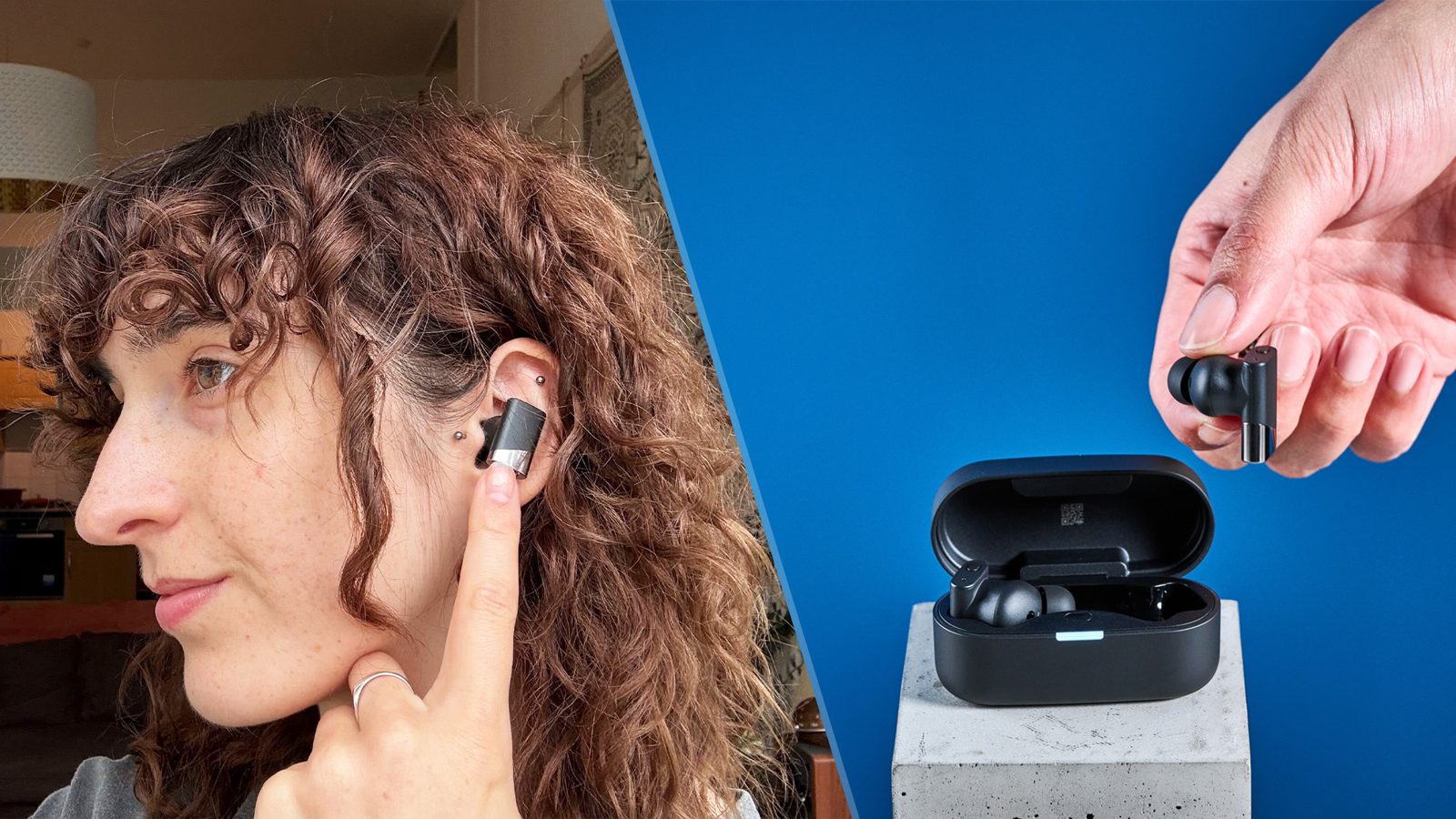
This Bose earbuds comparison review lines up the company’s current wireless models side by side so you can see which pair fits your ears, your commute, and your budget. One note on method before we start: AI Power Digest did not run lab tests or wear these earbuds for months. Everything below is built from Bose’s published specifications, retailer spec sheets, and professional reviews, all of which are linked and attributed in the text. Prices and features change often, so confirm the current details on Bose’s website before you buy.
If you are choosing between several Bose models, the lineup can be confusing. There are two generations of the flagship noise-cancelling pair, an open-ear model that does not seal your ear canal, a cheaper everyday pair, and an older generation still sold at discounts. For more plain-English coverage of consumer tech and the tools people use every day, AI Power Digest publishes new guides regularly.
In this Bose earbuds comparison review, we will cover what each model does, how they compare on noise cancelling, sound, battery life, comfort, and price, and a simple framework for deciding which one to buy.
Table of Contents
- How This Bose Earbuds Comparison Review Was Put Together
- The Current Bose Earbuds Lineup at a Glance
- QuietComfort Ultra Earbuds (2nd Gen)
- QuietComfort Ultra Earbuds (1st Gen)
- Ultra Open Earbuds
- QuietComfort Earbuds (the Value Pick)
- QuietComfort Earbuds II
- Noise Cancelling Compared
- Sound Quality Compared
- Battery Life and Charging Compared
- Fit, Comfort, and Water Resistance
- Price and Value in a Bose Earbuds Comparison Review
- Which Bose Earbuds Should You Buy?
- Common Mistakes When Choosing Earbuds
- The Verdict of This Bose Earbuds Comparison Review
- Frequently Asked Questions
- Final Thoughts
1. How This Bose Earbuds Comparison Review Was Put Together
A fair Bose earbuds comparison review needs clear rules, so here are ours. We did not rank products by personal impressions, because we have not tested them ourselves. Instead, we relied on three kinds of evidence. The first is manufacturer-style specifications as repeated by retailers, such as battery claims and water-resistance ratings. The second is published reviews from established audio and consumer technology outlets. The third is reported pricing, which we treat cautiously because it moves with sales.
That approach has limits. Battery figures come from manufacturer testing under specific conditions, so real-world results vary with volume, noise cancelling settings, and features such as spatial audio. Reviewers also hear differently, and fit is personal. Treat this Bose earbuds comparison review as a well-organized starting point for your own research, not a replacement for trying a pair in a store or using a retailer’s return window.
2. The Current Bose Earbuds Lineup at a Glance
Bose currently sells earbuds in a few distinct categories. The table below summarizes the models covered in this Bose earbuds comparison review, using figures from the sources cited later in each section.
| Model | Type | Noise Cancelling | Battery (earbuds) | Typical Position |
|---|---|---|---|---|
| QuietComfort Ultra Earbuds (2nd Gen) | In-ear | Yes, flagship | Up to 6 hours (24 total with case) | Top of the range |
| QuietComfort Ultra Earbuds (1st Gen) | In-ear | Yes, flagship | Up to 6 hours | Previous flagship, often discounted |
| Ultra Open Earbuds | Open-ear clip | No | Up to 7.5 hours (4.5 with Immersive Audio) | Awareness-first listening |
| QuietComfort Earbuds | In-ear | Yes | Up to 8.5 hours | Value pick |
| QuietComfort Earbuds II | In-ear | Yes | Varies | Older generation |
A quick way to read the table: if you want the strongest noise cancelling, look at the two Ultra in-ear models. If you want to hear traffic and conversations while you listen, look at the Ultra Open. If you want a good Bose experience for less money, look at the plain QuietComfort Earbuds.
3. QuietComfort Ultra Earbuds (2nd Gen)
The second-generation QuietComfort Ultra Earbuds are the headline product in any Bose earbuds comparison review. Reporting from Rolling Stone noted that Bose kept the same design as the first generation and did not raise the price, which stayed at $300. The most visible change was that the charging case now supports wireless charging, a feature buyers of the first generation previously had to pay extra for with a separate case.
According to the What Hi-Fi review, the earbuds are priced at £299 / $299 / AU$450 and offer six hours of battery on a single charge, with three additional charges from the case for a 24-hour total. The reviewer described the pair as pleasing all-rounders, praising the noise cancelling, design, and punchy sound, while flagging that Immersive Audio mode drains the battery.
An independent write-up from Expert Reviews was equally positive about noise cancelling, calling it head and shoulders above the competition, and said the improved ActiveSense behavior in Aware mode works more smoothly than on the first generation. Importantly, that reviewer felt the sound was essentially identical to the original and noted that battery life had not improved. That detail matters for anyone deciding whether the upgrade is worth the price difference.
Who it suits: commuters, frequent flyers, open-plan office workers, and anyone who values quiet above all else. Watch out for: battery life that is average for the category, and a price that remains at the premium end.
4. QuietComfort Ultra Earbuds (1st Gen)
The original QuietComfort Ultra Earbuds launched in 2023 and, according to What Hi-Fi, were the best noise-cancelling earbuds the publication had tested at that time. They share their design with the second generation, which is why they remain a serious option in any Bose earbuds comparison review even after being superseded.
Their main appeal today is price. In a pre-launch article, What Hi-Fi observed that the original model had stayed at £299 at major retailers even though it had previously dropped as low as £199 in sales. Expert Reviews later noted that the first-generation buds could be found for under £200. If you find them at a meaningful discount, they are often the smartest way to get flagship-level noise cancelling.
In its direct comparison of the two generations, What Hi-Fi gave the first generation the win on price and the second generation the win on design details, features, noise cancelling and call quality, and sound quality, concluding that the newer model is the clear winner overall. Note that this verdict conflicts slightly with the Expert Reviews view that sound is identical, which is a good reminder that listeners differ.
Who it suits: shoppers who find a deep discount and do not need wireless charging in the case. Watch out for: older stock, and the need to buy a separate case if you want wireless charging.
5. Ultra Open Earbuds
The Ultra Open Earbuds take a completely different approach, and they deserve a distinct place in this Bose earbuds comparison review because they are not trying to block noise at all. They use a cuff-like clip that sits on the outside of your ear and sends sound toward the canal without sealing it, which keeps you aware of your surroundings.
Retailer documentation quoting Bose’s own testing, such as this PB Tech product page, lists up to 7.5 hours of playback (4.5 hours with Immersive Audio) and an extra 19.5 hours in the charging case. Retail listings also describe IPX4 water resistance. Rolling Stone called them pricey for earbuds without noise cancelling but named them one of its favorite open-ear models.
Because the design leaves your ear open, the trade-offs are predictable. You get situational awareness and comfort over long sessions, but you will not get the isolation of a sealed in-ear pair on a loud train or plane. Bass also tends to be less impactful in any open-ear design, a general characteristic of the category rather than a flaw specific to Bose.
Who it suits: runners, cyclists, office workers who need to hear colleagues, and people who dislike the pressure of in-ear tips. Watch out for: noisy environments, where you will turn the volume up and let sound leak.
6. QuietComfort Earbuds (the Value Pick)
The plain QuietComfort Earbuds, released in 2024, are the model most shoppers should look at first if the flagship price feels steep. Retail listings show them at around $179 and advertise up to 8.5 hours of battery per charge plus a charging case, which is longer per charge than either Ultra in-ear model.
A Japanese comparison article we reviewed described this model as concentrating Bose’s core strengths into a cost-effective package, with some of the finer noise cancelling adjustment options removed relative to the Ultra range while keeping Bose’s characteristic weighty bass. That is a single reviewer’s impression and not a measured result, so treat it as directional.
In practical terms, the value pick is where a Bose earbuds comparison review often ends up for budget-conscious readers. You give up some premium extras, such as the most advanced noise cancelling modes and Immersive Audio, in exchange for a substantially lower price and better battery life per charge.
Who it suits: daily commuters and students who want Bose comfort and quiet without paying flagship money. Watch out for: missing premium features, so check the feature list against your must-haves.
7. QuietComfort Earbuds II
The QuietComfort Earbuds II are an earlier generation that remains listed by many retailers. Retail listings describe up to 24 hours of total battery life with the charging case and IPX4 sweat and water resistance. They are still a capable noise-cancelling pair, but they have effectively been replaced by the newer QuietComfort Earbuds and the Ultra range.
In a Bose earbuds comparison review, the main reason to consider this older model is a clearance price. If you can get them for substantially less than the newer value pick, they may be worth a look. If the price gap is small, the newer model is usually the better long-term purchase because it will receive support for longer.
8. Noise Cancelling Compared
Noise cancelling is the reason most people shop for Bose in the first place, so it deserves its own section in this Bose earbuds comparison review, and its own ranking. Based on the reviews cited above, the ranking is straightforward.
- QuietComfort Ultra Earbuds (2nd Gen): the strongest overall, with refined ActiveSense in Aware mode.
- QuietComfort Ultra Earbuds (1st Gen): still excellent, and described by What Hi-Fi as the best it had tested when released.
- QuietComfort Earbuds and Earbuds II: very good for the price, with fewer fine-tuning options.
- Ultra Open Earbuds: no active noise cancelling by design.
A useful way to think about this is that the gap between first and second generation Ultra is smaller than the gap between any Ultra model and the cheaper pairs. If your priority is silence on a plane, either Ultra will serve you well. If your priority is saving money, the difference between the value pick and an older Ultra may be smaller than you expect, and you should compare current prices.
9. Sound Quality Compared
Sound is the most subjective section of any Bose earbuds comparison review, so we will keep it short and sourced, and we will flag where reviewers disagree. Both Ultra in-ear models are praised for rich, punchy audio and support Immersive Audio, a spatial effect that makes sound feel as if it comes from beyond your head. What Hi-Fi felt the second generation edged ahead, while Expert Reviews felt the two sounded identical.
In this Bose earbuds comparison review, the Ultra Open Earbuds sound clear and private for an open design but cannot match the bass presence of a sealed pair. The QuietComfort Earbuds deliver a warm, bass-forward Bose signature at a lower price, according to the Japanese review mentioned earlier.
Our advice is to treat small sound differences as a tie-breaker, not a deciding factor. Fit and seal affect perceived bass more than almost any spec, so spend time trying the included ear tips and, if possible, test a pair in person.
10. Battery Life and Charging Compared
Battery life is where the lineup differs most in practice, and it is the section of this Bose earbuds comparison review most likely to change your mind. Using the figures quoted above:
- QuietComfort Ultra Earbuds (2nd Gen): up to 6 hours per charge and 24 hours total with the case, according to What Hi-Fi. A retailer review lists the case contribution as 18 hours.
- QuietComfort Ultra Earbuds (1st Gen): up to 6 hours per charge on retailer listings.
- Ultra Open Earbuds: up to 7.5 hours, or 4.5 hours with Immersive Audio, plus 19.5 hours in the case.
- QuietComfort Earbuds: up to 8.5 hours per charge, plus the case.
- QuietComfort Earbuds II: up to 24 hours total with the case.
Two takeaways matter here. First, the cheaper QuietComfort Earbuds actually beat the flagship on per-charge battery life. Second, turning on features like Immersive Audio or ActiveSense reduces runtime on every model, so treat the headline hours as a best case. If you spend long days away from a charger, battery should weigh heavily in your Bose earbuds comparison review checklist.
Wireless charging is the other differentiator. The second-generation Ultra case supports it, while first-generation buyers had to purchase a separate case. If you charge on a wireless pad nightly, that convenience may justify paying more for the newer model.
11. Fit, Comfort, and Water Resistance
For fit and durability, this Bose earbuds comparison review relies on retail listings, which give IPX4 ratings for the Ultra Open Earbuds, the second-generation Ultra, and the QuietComfort Earbuds II, which means they resist splashes and sweat but are not meant to be submerged. That is adequate for workouts and light rain.
Comfort comes down to design. In-ear models use a sealed tip and a stabilizing fin, which can feel secure for running but may cause fatigue during very long sessions for some people. The open-ear model avoids ear canal pressure altogether, which is why many reviewers recommend it for all-day wear. A retailer listing for the second-generation Ultra mentions a generous set of included ear tips, which is worth using fully, since a poor seal is the most common reason people think their earbuds sound weak.
12. Price and Value in a Bose Earbuds Comparison Review
Prices are the most volatile part of any Bose earbuds comparison review, so use these as rough orientation only. Reviews cite a $299 launch price for the second-generation Ultra. A retailer listing showed the standard QuietComfort Earbuds at around $179. A community-posted deal in January 2026 bundled the second-generation Ultra with a refurbished Ultra Open for $299 total, which illustrates how often Bose runs promotions.
A few practical value tips follow from that, and they apply to any Bose earbuds comparison review you read:
- Check Bose’s own store and major retailers before buying, as sales are frequent.
- Consider the previous generation when it drops in price, since the main differences are modest.
- Be careful with refurbished stock, and read the warranty terms before purchase.
- Factor in what you will actually use. Paying for Immersive Audio and advanced noise cancelling makes sense only if you value them.
Bose Earbuds Comparison Review Scorecard
To make the Bose earbuds comparison review easier to scan, the table below turns the sourced findings in the previous sections into a simple rating guide. The ratings are our own summary of what the cited reviews and spec sheets say, not lab scores, and they are meant to show relative strengths rather than precise measurements.
| Category | Ultra (2nd Gen) | Ultra (1st Gen) | Ultra Open | QuietComfort Earbuds |
|---|---|---|---|---|
| Noise cancelling | Excellent | Excellent | Not applicable | Very good |
| Awareness of surroundings | Good (Aware mode) | Good (Aware mode) | Excellent | Good |
| Battery per charge | Average | Average | Good | Best of the group |
| Wireless-charging case | Included | Separate case | Check listing | Check listing |
| Value for money | Fair | Good when discounted | Fair | Best of the group |
Reading the scorecard honestly, no model wins every row. That is why a Bose earbuds comparison review that simply crowns one pair is less useful than one that matches each model to a type of listener.
Bose Earbuds Comparison Review by Use Case
Different routines stress earbuds in different ways, so here is how each model fares in the situations people ask about most.
Commuting and travel. Noise cancelling matters most on trains, buses, and planes. The Ultra in-ear models are the strongest choices, and the cheaper QuietComfort Earbuds are a sensible alternative if you want to spend less. A long flight also makes the 24-hour case total of the second-generation Ultra useful, because you can top up the earbuds repeatedly without finding a wall socket.
Gym and running. Water resistance and security of fit matter more than isolation. Several models carry an IPX4 rating, and the open-ear design lets you hear cars and cyclists. If you train indoors with loud music, a sealed in-ear model may feel more immersive.
Working from home or the office. The Ultra Open Earbuds make it easy to hear a colleague or a doorbell without removing anything. If your office is noisy and you need to concentrate, a noise-cancelling in-ear pair is the better tool.
Calls and meetings. What Hi-Fi credited the second-generation Ultra with improved call quality compared with the first generation. If you spend hours on video calls, that is a reason to favor the newer flagship, though you should still test call quality in your own environment.
Casual listening on a budget. The QuietComfort Earbuds deliver the Bose experience for less money, and their longer per-charge battery life suits people who forget to charge their case.
13. Which Bose Earbuds Should You Buy?
Here is the decision framework at the heart of this Bose earbuds comparison review. Match the earbuds to your main use case.
You want the quietest possible ride or flight. Choose the QuietComfort Ultra Earbuds (2nd Gen), or the 1st Gen if you find it at a strong discount.
You run, cycle, or need to hear your surroundings. Choose the Ultra Open Earbuds. Just remember they will not block noise.
You want a good Bose pair without spending flagship money. Choose the QuietComfort Earbuds.
You are buying on a tight budget and see a clearance deal. Consider the QuietComfort Earbuds II, but compare against the newer value pick first.
You charge wirelessly and care about calls. The second-generation Ultra is the more convenient choice, given its wireless-charging case and the call-quality improvements What Hi-Fi reported.
If you are still undecided after this Bose earbuds comparison review, a good rule is to buy from a retailer with an easy return policy and test the fit for a week. Fit problems, not specs, are the main reason people return earbuds.
14. Common Mistakes When Choosing Earbuds
Even a careful Bose earbuds comparison review cannot protect you from a few predictable errors, so keep this list in mind before you buy.
- Chasing the newest model by default. The previous generation is often nearly identical for much less money.
- Ignoring battery trade-offs. The flagship does not have the longest battery life in the lineup.
- Buying open-ear earbuds for loud environments. They are built for awareness, not isolation.
- Skipping the fit test. Try every included ear tip size before judging sound or noise cancelling.
- Trusting a single review. Even the sources in this Bose earbuds comparison review disagree on small points, such as whether sound improved between generations.
- Assuming prices are fixed. Check multiple retailers and wait for sales when you can.
15. The Verdict of This Bose Earbuds Comparison Review
If we boil everything down, the verdict of this Bose earbuds comparison review is as follows. For the best noise cancelling, the second-generation QuietComfort Ultra Earbuds are the safest recommendation, backed by two professional reviews that single out their noise cancelling. For the best deal, watch for discounts on the first-generation Ultra, which gives up little in practice. For awareness and comfort, the Ultra Open Earbuds are in a category of their own. For most people on a budget, the QuietComfort Earbuds offer the best balance of price, battery life, and Bose quality.
No single pair is best for everyone, which is the whole point of a Bose earbuds comparison review. Your commute, your ears, and your budget decide the winner.
16. Frequently Asked Questions
What is the best Bose earbuds model overall? Based on the reviews cited in this Bose earbuds comparison review, the QuietComfort Ultra Earbuds (2nd Gen) are the best overall for noise cancelling, while the QuietComfort Earbuds are the better value.
Are the 2nd Gen QuietComfort Ultra Earbuds worth upgrading to from the 1st Gen? It depends. What Hi-Fi called the newer model the clear winner, citing wireless charging, noise cancelling, and call quality, while Expert Reviews found the sound identical and battery life unchanged. If the price gap is large, the first generation may be enough.
Do the Bose Ultra Open Earbuds in this Bose earbuds comparison review have noise cancelling? No. They use an open-ear design that leaves your ear canal uncovered, so they prioritize awareness of your surroundings over isolation.
How long do Bose earbuds last on a single charge? According to retailer listings and reviews, up to 6 hours for the Ultra in-ear models, up to 7.5 hours for the Ultra Open, and up to 8.5 hours for the QuietComfort Earbuds. Real results are lower with Immersive Audio or ActiveSense enabled.
Are the Bose earbuds in this Bose earbuds comparison review waterproof? They are water and sweat resistant rather than waterproof. Several models carry an IPX4 rating, which covers splashes and sweat but not submersion.
Which Bose earbuds are best for running, according to this Bose earbuds comparison review? Many reviewers favor the open-ear Ultra Open Earbuds for outdoor exercise because you can hear traffic. Sealed in-ear models also work well if you prefer isolation.
Which Bose earbuds are the cheapest? Among the models covered in this Bose earbuds comparison review, the QuietComfort Earbuds are the lower-priced current option, with a retail listing at around $179, and older models can be cheaper on clearance.
Do Bose earbuds support wireless charging? The second-generation QuietComfort Ultra Earbuds include a wireless-charging case. First-generation buyers had to purchase a separate case for that feature.
Is this Bose earbuds comparison review based on hands-on testing? No. It is based on published specifications and professional reviews, all of which are attributed in the text.
17. Final Thoughts
Choosing between Bose models comes down to a few questions, and a good Bose earbuds comparison review should help you answer them: how much noise you need to block, how long you need the battery to last, and how much you are willing to spend. The second-generation QuietComfort Ultra Earbuds lead on noise cancelling and features, the Ultra Open Earbuds are the pick for awareness and comfort, and the QuietComfort Earbuds deliver the best value for most budgets.
Use this Bose earbuds comparison review as a starting point, then check current prices, read the return policy, and test the fit for yourself. For more guides that cut through marketing language and help you decide, AI Power Digest will keep publishing practical consumer tech coverage.
This article is for general informational purposes only. It is based on manufacturer-style specifications, retailer listings, and third-party professional reviews, not on independent laboratory testing by AI Power Digest. Prices, features, and availability change frequently and may differ by region. Please confirm current details on Bose’s official website or with an authorized retailer before making a purchase.