
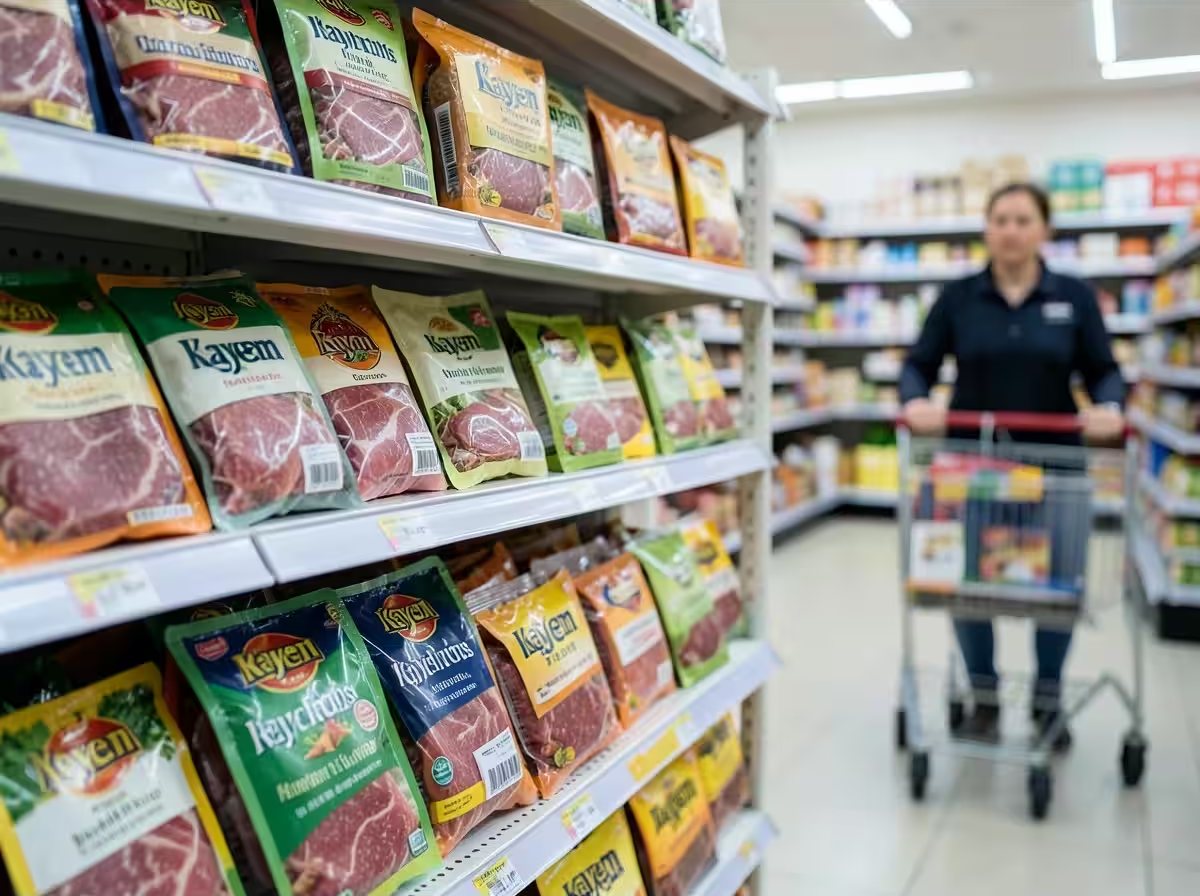
The Kayem Foods meat recall USDA announced on Saturday, October 17, 2026, covers roughly 1.58 million pounds of hot dogs, bacon, sausages, deli meats, and other ready-to-eat products that may have been stored at unsafe temperatures, and it is one of the largest meat recalls of the year. If you shop for packaged hot dogs, sliced deli meat, or breakfast bacon, there is a real chance something in your refrigerator or freezer is affected. In this guide from AI Power Digest, we explain exactly what the notice says, which products and dates are involved, why “temperature abuse” matters, what to do if you have the products at home, and how to confirm details using official sources.
Important: this article summarizes public reports and government notices as of October 19, 2026. It is general information, not medical advice. Recall details can be updated, so always check the official notice and product list before deciding what to do.
Kayem Foods Meat Recall USDA: Key Facts at a Glance
Here are the essentials, drawn from reporting that quotes the U.S. Department of Agriculture’s Food Safety and Inspection Service (FSIS) and from the company.
- Who: Kayem Foods Inc., a meat products company based in Chelsea, Massachusetts.
- What: about 1,584,361 pounds of ready-to-eat meat and poultry products, according to the FSIS notice reported by NBC Chicago.
- Why: the products may have been stored at improper temperatures, which FSIS describes as “temperature abuse.”
- When announced: Saturday, October 17, 2026.
- Production window: products made between March 31 and October 7, 2026, per FSIS as reported by NBC.
- Shipping window: stored and shipped between June 7 and October 14, 2026, according to the company, as reported by Fast Company.
- Illnesses: FSIS said there had been no confirmed reports of illness at the time of the announcement.
- Where sold: retail and foodservice locations across the United States, and Hong Kong, according to FSIS.
- Recall number: FSIS Recall 026-2026, as cited by Quartz.
Every one of those bullet points matters for anyone trying to understand the Kayem Foods meat recall USDA notice, and the single most important step is to compare the products in your kitchen with the official list.
What Was Recalled in the Kayem Foods Meat Recall USDA Notice
The list is long. News outlets reported that it covers more than 100 items, so the safest approach is to use the official FSIS product list rather than rely on a summary.
Types of Products in the Kayem Foods Meat Recall USDA List
Reporting based on the FSIS announcement says the recall includes hot dogs and cocktail franks, kielbasa, bratwurst, bacon, smoked brisket, flavored chicken sausage, meatballs, and sliced deli meats such as ham, turkey, bologna, corned beef, and liverwurst. In other words, the Kayem Foods meat recall USDA alert spans pork, beef, and poultry items.
Brands in the Kayem Foods Meat Recall USDA Notice
Several outlets listed brand names affected by the recall, including Kayem, Al Fresco, McKenzie, Triple M, Deutschmacher, and Jordan’s. Some coverage noted that more labels appear on the official list, so check every package, not just the brand you recognize most.
Dates and Codes to Check
The official FSIS list includes details such as product names, package sizes, UPC codes, manufacturing dates, and expiration or use-by dates. Because the Kayem Foods meat recall USDA notice covers products produced over many months, you cannot rely on a single date. Look at the label, the UPC, and the establishment number printed inside the USDA mark of inspection, then compare them with the list.
What About Products Without a Label?
Deli counter items sliced to order may not carry the original packaging. If you bought sliced meat from a store deli, ask the store whether it came from a recalled lot, and follow its guidance.
Why the Kayem Foods Meat Recall USDA Alert Was Issued: Temperature Abuse Explained
This recall is not about a confirmed contamination with a specific germ. It is about the possibility that the products spent time at temperatures that are not safe for storage.
What “Temperature Abuse” Means
Cold storage slows the growth of bacteria. When refrigerated foods rise above safe temperatures for too long, bacteria that were already present in small numbers can multiply. The USDA’s food safety guidance, available on FoodSafety.gov, advises keeping refrigerated food at 40°F or below and treating the range between 40°F and 140°F as the “danger zone” where bacteria can grow rapidly.
The Cooler Problem Behind the Kayem Foods Meat Recall USDA Alert
According to the FSIS notice, as quoted by multiple outlets, Kayem received a complaint from a retail customer about warm product temperatures on delivery on October 1. The company then investigated and determined that various ready-to-eat meat and poultry products had been stored in a warehouse cooler that experienced temperature deviations. In a notice on its website, Kayem attributed the issue to a cooling system malfunction at one of its warehouses, and its CEO said the company’s business depends on providing consumers with safe, high-quality food, as Fast Company reported.
Why the Kayem Foods Meat Recall USDA Items Get Extra Attention
Ready-to-eat items such as hot dogs and deli meats are often consumed without further cooking, or only lightly reheated. That means if bacteria multiplied during storage, there may not be a cooking step that fully addresses it. This is a major reason regulators treat storage-temperature problems seriously, even when no illness has been reported.
The Reported Risk Classification
Quartz, citing a Medical Daily report, said FSIS assigned the recall a Class I designation, which the agency uses for its highest-risk category. Because classification details can change or be described differently in different outlets, confirm the current designation on the FSIS notice itself. We explain the classes in more detail below.
Is There a Health Risk From the Kayem Foods Meat Recall USDA Notice?
The honest answer is that the risk is uncertain, which is exactly why a recall was issued out of caution.
No Confirmed Illnesses So Far
FSIS stated that there were no confirmed reports of illness as of the announcement. That is reassuring, but it is not a guarantee, because foodborne illness can take days or weeks to appear and may not be linked to a specific product right away.
Why Consumers Should Still Check Their Refrigerators
FSIS noted that consumers may still have some of the products in their home refrigerators or freezers. The Kayem Foods meat recall USDA announcement therefore asks people to look and to dispose of or return any recalled items.
What Illness Could Look Like
Different bacteria can cause different symptoms, and spoilage alone can produce unpleasant effects. Common signs of foodborne illness include stomach pain, nausea, vomiting, diarrhea, and fever. One germ of particular concern with ready-to-eat deli products is Listeria, which can grow even at refrigerator temperatures. The CDC notes that Listeria illness can cause fever, muscle aches, and tiredness, and that symptoms can appear days to weeks after eating a contaminated food. We mention Listeria as general background because it is a well-known risk with refrigerated ready-to-eat foods, not because the notice has confirmed it in this case.
Who Is at Higher Risk
Pregnant people, newborns, adults aged 65 and older, and people with weakened immune systems are generally at higher risk from foodborne illness. If you or someone in your household is in one of these groups, be especially careful about this recall.
When to Contact a Doctor
If you ate a recalled product and develop symptoms such as persistent vomiting, bloody diarrhea, a high fever, signs of dehydration, or any symptoms that worry you, contact a healthcare professional. If you are pregnant or have a weakened immune system and ate a recalled item, consider calling your clinician even if you feel fine and ask what to watch for.
What to Do If You Have Products From the Kayem Foods Meat Recall USDA List
Follow these steps calmly and in order.
- Do not eat the product. Do not taste it to see if it seems fine. Spoiled or unsafe food can look and smell normal.
- Compare your products with the official list. Use the FSIS Kayem Foods meat recall USDA product list or the company’s list, and match the brand, product name, UPC, dates, and establishment number.
- Throw it away or return it. FSIS says recalled products should be discarded or returned to the place of purchase. Seal the item in a bag before putting it in the trash so that pets and other people cannot get to it.
- Clean your refrigerator and freezer. Wash shelves, drawers, and any surfaces that touched the products with hot, soapy water, then sanitize with a diluted bleach solution or a suitable food-safe sanitizer, following the product directions.
- Wash your hands, utensils, and cutting boards. Use hot water and soap.
- Keep your receipt or take a photo. This can help with a refund or credit.
- Contact the company if you have questions. Reports list Kayem Foods customer service at 800-426-6100 and the email address info@kayem.com.
- Call the USDA hotline for food safety questions. The USDA Meat and Poultry Hotline is 1-888-MPHotline (1-888-674-6854), and FSIS also offers online tools such as its virtual assistant.
- Watch for symptoms. If you ate a recalled product, monitor your health for several weeks and seek care if needed.
Safe Handling Basics After the Kayem Foods Meat Recall USDA Alert
A recall is a good reminder of everyday habits that reduce risk, whatever the brand.
Keep Cold Food Cold
Set your refrigerator to 40°F or below, and keep a thermometer inside to check. Do not leave perishable food out for more than two hours, or more than one hour when the temperature is above 90°F.
Reheat Ready-to-Eat Meats When Vulnerable People Are Eating
For people at higher risk, health agencies often recommend heating hot dogs and deli meats until steaming hot, but if a product is part of a recall, do not eat it at all.
Use the First-In, First-Out Rule
Place newer groceries behind older ones so that older products get eaten first, and check use-by dates regularly.
Separate Raw and Ready-to-Eat Foods
Keep raw meat away from ready-to-eat items to prevent cross-contamination, and use separate cutting boards.
Keep Your Fridge Clean
Wipe spills right away, and clean the refrigerator regularly. Bacteria like Listeria can survive in cold environments.
Timeline of the Kayem Foods Meat Recall USDA Announcement
A clear timeline helps explain how a warehouse issue became a national recall.
- March 31, 2026: earliest production date for products in the recall, according to FSIS as reported by NBC.
- June 7, 2026: earliest date products were stored and shipped, per Kayem.
- October 1, 2026: a retail customer reports warm product temperatures at delivery.
- October 7, 2026: end of the production window.
- October 14, 2026: end of the stored and shipped window, per the company.
- October 17, 2026: FSIS publicly announces the Kayem Foods meat recall USDA notice on a Saturday, as shown on the agency’s social media account.
- October 19, 2026: news coverage continues across the country as consumers check their refrigerators.
How USDA Meat Recalls Work Beyond the Kayem Foods Meat Recall USDA Case
Many people are not sure what a recall means or who is in charge, so it helps to understand the process.
Voluntary Recalls and FSIS Oversight
Most meat and poultry recalls begin as voluntary actions by the company. FSIS, the agency within the USDA that oversees the safety of meat, poultry, and processed egg products, verifies the recall, publishes the notice, and checks that the company is contacting customers. Past FSIS recall releases note that the agency routinely conducts recall effectiveness checks to confirm that the recalling firm notifies its customers and that the product is no longer available to consumers. You can browse current notices at the FSIS recalls page.
Recall Classes and the Kayem Foods Meat Recall USDA Designation
FSIS classifies recalls by health risk.
- Class I: a reasonable probability that eating the product will cause serious health problems or death.
- Class II: a remote probability of adverse health consequences, or a situation in which serious consequences are unlikely.
- Class III: the product is not expected to cause adverse health consequences.
Because a recall’s class can influence how urgently you should act, check the class on the official notice rather than relying on a headline.
Public Health Alerts Versus Recalls
FSIS sometimes issues a public health alert instead of a recall when the product is no longer available for purchase but may still be in people’s homes. The Kayem Foods meat recall USDA announcement is a recall because the products were distributed and company action was required.
About Kayem Foods and Its Recall History
Kayem Foods is a more than century-old company based in Chelsea, Massachusetts, according to Fast Company, and its products are sold under several brands. Large producers sometimes have recalls, and a recall does not by itself prove wrongdoing, though it does show that the system for detecting problems is working.
Earlier FSIS announcements show that Kayem has recalled products before. A 2016 FSIS notice described a recall of about 22,182 pounds of chicken sausage due to misbranding, and in July 2025, CBS News reported that Kayem recalled more than 24,000 pounds of chicken sausage over possible plastic pieces after consumer complaints. These past events involved different problems from the temperature issue in this recall, and it would be inaccurate to link them. We mention them only for context.
How to Verify Information About the Kayem Foods Meat Recall USDA Alert
During a large recall, misinformation spreads fast. Use this approach.
- Start with the official FSIS notice. It contains the product list, dates, and codes.
- Check the company’s own notice. Kayem published a recall notice and a product list on its website.
- Compare more than one reputable news outlet. Local and national outlets have been quoting the notice.
- Be careful with screenshots. Fake or altered lists circulate on social media.
- Check the date of any article. Recalls can be expanded or updated.
- Never rely on rumors about illnesses. FSIS said there were no confirmed illnesses at the time of the announcement, so claims of widespread illness need evidence.
Businesses and the Kayem Foods Meat Recall USDA Notice
The recall affects businesses as well as households. FSIS said that Kayem is contacting its wholesale and retail customers with instructions to identify and dispose of the recalled products. If your business purchased Kayem products, take these steps.
- Check inventory against the official product list.
- Remove affected items from shelves, deli cases, and storage areas immediately.
- Keep records of what you found and how you disposed of it.
- Notify staff, and review your temperature monitoring procedures.
- Contact your supplier for credit or replacement instructions.
- Post a notice for customers if required or advisable.
Neither FSIS nor the company had announced a list of retailers at the time of reporting, so customers should not assume a specific store did or did not sell recalled items.
Holiday Food Safety and the Kayem Foods Meat Recall USDA Notice
Some coverage pointed out that the products involved are commonly served during the holidays. That makes this recall especially timely. Before you plan gatherings, clear out your refrigerator and freezer, check any hot dogs, cocktail franks, ham, and sliced meats you purchased in recent months, and keep cold platters on ice or refrigerated until serving. If a recalled product is in your cart or on your party menu, remove it, and remember that when in doubt, throw it out.
What the Kayem Foods Meat Recall USDA Notice Means for Different Households
The same recall can matter differently depending on who lives in your home.
Families With Young Children
Hot dogs and sliced meats are staples in many lunch boxes. Parents should check every package in the refrigerator and freezer, including items bought in bulk, and remind older children and babysitters not to eat anything that matches the Kayem Foods meat recall USDA list. If a child ate a recalled product and develops symptoms, contact a pediatrician.
Older Adults and People With Health Conditions
Adults aged 65 and older and people with weakened immune systems are at higher risk from foodborne illness. If you help an older relative with groceries, check their refrigerator too, because the Kayem Foods meat recall USDA announcement covers products that may have been bought months ago.
Pregnant People
Because certain germs that grow in refrigerated foods can be especially risky during pregnancy, pregnant people should be extra careful with ready-to-eat deli meats and hot dogs. If you ate a recalled item, ask your clinician what to watch for, even if you feel well.
Households That Freeze Food
Many families buy in bulk and freeze packages. The shipping window in the Kayem Foods meat recall USDA notice runs for months, so check the freezer, including the bottom of chest freezers, where older packages may sit for a long time.
Pet Owners
Do not give recalled meat to pets. When you throw it away, seal it in a bag so animals cannot reach it.
Questions to Ask Your Store About the Kayem Foods Meat Recall USDA Notice
Retailers are contacting suppliers and pulling products, but shoppers can ask a few questions.
- Did this store receive any products covered by the Kayem Foods meat recall USDA list?
- Were any deli items sliced from recalled lots?
- Will the store accept returns or offer refunds without a receipt?
- Is there a posted notice or a phone number for questions?
- Are replacement products from other brands available?
Remember that neither FSIS nor the company had announced a list of retailers at the time of reporting, so a store’s answer is the most direct way to know.
A 10-Minute Checklist for the Kayem Foods Meat Recall USDA Alert
If you want to act right now, work through this quick list.
- Open the refrigerator and freezer, and pull out every hot dog, bacon, sausage, and deli meat package.
- Look at the brand names on each package.
- Match UPC codes, dates, and establishment numbers against the official Kayem Foods meat recall USDA list.
- Bag and discard or set aside for return anything that matches.
- Wipe and sanitize shelves, drawers, and utensils.
- Save receipts or take photos for refunds.
- Tell family members and neighbors, especially older relatives.
- Write down the date you ate any recalled product in case symptoms appear later.
Why Large Recalls Like This One Happen
Big recalls often start with small signals. In this case, a retail customer noticed that product was warm on delivery, which triggered an investigation. Meat processors rely on a continuous “cold chain,” meaning products must stay at proper temperatures from production to storage to delivery to the store. When a cooler malfunctions, even for a limited time, a company may not be able to prove that every package stayed within safe limits, so it recalls products out of caution. That is one reason a Kayem Foods meat recall USDA notice can cover so many pounds of food even though no illnesses have been confirmed.
Temperature monitoring, alarms, backup systems, and regular equipment checks are standard ways to reduce the chance of such failures. FSIS inspects plants and verifies recalls, but companies are responsible for the safety of their own storage and distribution. If a refrigeration problem is not caught quickly, the result can be exactly the kind of large recall described here.
Common Myths About Meat Recalls
Myth: A recall means everyone who ate the product got sick. In this case, FSIS reported no confirmed illnesses, and recalls are often precautionary.
Myth: If it smells and looks fine, it is safe. Harmful bacteria can be present without changing smell, taste, or appearance.
Myth: Cooking always solves the problem. Heat kills many germs, but you should not eat recalled products, and some foods can contain toxins that cooking does not remove.
Myth: A freezer makes recalled food safe. Freezing does not reliably kill bacteria, so recalled food should be discarded or returned even if it was frozen.
Myth: Only the brand name matters. The Kayem Foods meat recall USDA list covers multiple brands and many items, so you must check specific products and codes.
Frequently Asked Questions About the Kayem Foods Meat Recall USDA Notice
1. What is the Kayem Foods meat recall USDA announced?
It is a voluntary recall of about 1,584,361 pounds of ready-to-eat meat and poultry products by Kayem Foods Inc., announced by the USDA’s Food Safety and Inspection Service on October 17, 2026, because the products may have been stored at unsafe temperatures.
2. Which products are in the Kayem Foods meat recall USDA list?
The list includes hot dogs, cocktail franks, bacon, sausage, kielbasa, bratwurst, brisket, meatballs, and deli meats such as ham, turkey, bologna, corned beef, and liverwurst, under several brand names. Check the official FSIS list for exact items.
3. Why was there a Kayem Foods meat recall USDA alert?
The company reported that products were stored in a warehouse cooler that experienced temperature deviations, which it attributed to a cooling system malfunction, so the products may have been at unsafe temperatures.
4. Has anyone gotten sick from the recalled products?
FSIS said there were no confirmed reports of illness at the time of the announcement. If you ate a recalled product and feel unwell, contact a healthcare professional.
5. What should I do if I have recalled Kayem Foods products?
Do not eat them. Throw them away or return them to the store, clean your refrigerator, and contact the company or the USDA hotline if you have questions.
6. How do I know if my product is part of the Kayem Foods meat recall USDA notice?
Compare the brand, product name, UPC code, dates, and establishment number with the official FSIS or company list.
7. Who can I call about the Kayem Foods meat recall USDA announcement?
Reports list Kayem Foods customer service at 800-426-6100 and info@kayem.com. For general meat and poultry safety questions, you can call the USDA Meat and Poultry Hotline at 1-888-674-6854.
8. Is the Kayem Foods meat recall USDA notice a Class I recall?
Quartz, citing Medical Daily, reported a Class I designation, which is the agency’s highest-risk category. Confirm the class on the official FSIS notice, since reporting can vary.
9. Where can I find updates on the Kayem Foods meat recall USDA announcement?
Check the FSIS recalls page and the company’s website for updates, and rely on reputable news outlets that quote those sources.
Conclusion: Check, Discard, and Stay Informed
The Kayem Foods meat recall USDA announced this weekend is large, and it affects familiar products that many households keep on hand. The key points are simple. The recall is precautionary, tied to a warehouse cooler that experienced temperature deviations, and no illnesses had been confirmed at the time of the notice. The safest response is to check your refrigerator and freezer against the official product list, discard or return anything that matches, clean up, and watch for symptoms.
For more plain-English explainers on the news, health, and technology topics people search for every day, keep exploring AI Power Digest, and return to the official FSIS site for any updates to the Kayem Foods meat recall USDA notice.
Disclaimer: This article is for general informational purposes only and is not medical or legal advice. Recall details, including product lists, dates, classifications, and contact information, may change. Always consult the official USDA FSIS notice, the company’s announcement, and a qualified healthcare professional if you have concerns about your health.