
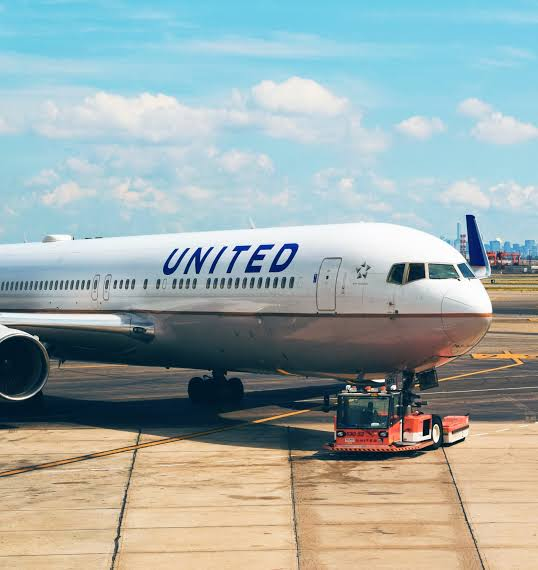
The United Airlines flight UA941 emergency on October 15, 2026, ended safely when a Newark-bound Boeing 767 declared an emergency over Manchester, England, turned around, and landed back at London Heathrow, where United says passengers deplaned normally. The flight, which left Heathrow shortly after 4 p.m. local time, was cut short roughly two hours after departure, and by the next day the airline had confirmed the reason as an odor in the cabin. This guide pulls together what has been reported about the United Airlines flight UA941 emergency, explains terms like squawk 7700 and fuel jettison in plain English, separates confirmed facts from open questions, and offers practical advice for travelers whose flights are cancelled. It is a news explainer based on published reports, not an investigation, and it does not speculate beyond what has been confirmed. For more plain-English explainers on breaking tech and travel stories, AI Power Digest keeps following developments as they are reported.
A quick note on reliability: early reports on in-flight emergencies often differ in small details and are corrected as more information appears. Where sources disagree below, this article says so.
What Happened: The United Airlines Flight UA941 Emergency Timeline
According to AirLive’s report, United Airlines Flight UA941 departed London Heathrow’s runway 27L shortly after 4:00 p.m. British Summer Time on Thursday, October 15, bound for Newark Liberty International Airport. The aircraft was scheduled for an eight-hour-and-twenty-minute journey, according to the same report.
After climbing to about 32,000 feet and reaching the area over Manchester, the crew declared an emergency and asked to return to Heathrow. Brit Brief reported that the Boeing 767 transmitted squawk code 7700, the international transponder code for a general emergency, and that flight-tracking data showed the emergency declaration during the climb phase.
One detailed account says the aircraft touched down safely on runway 27R at 17:58 BST, while El-Balad reports the plane landed about two hours after departure. Emergency vehicles met the aircraft, and several outlets describe this as a standard precaution after an emergency declaration. In short, the main facts of the United Airlines flight UA941 emergency are consistent across reports: a declared emergency at altitude, a turnaround, a safe landing, and an emergency response on the ground.
What United Says About the United Airlines Flight UA941 Emergency
In the first hours after the incident, outlets reported only that the flight had returned because of a “technical issue.” TheTravel later quoted a United statement clarifying the reason: the airline said flight 941 safely returned to London to address an odor in the cabin, and that passengers deplaned normally.
United also said the flight was subsequently cancelled and that it was working to rebook customers to get them to their destinations, according to the same report. That statement is the most authoritative information available about the United Airlines flight UA941 emergency. It does not say what caused the odor, whether any passengers or crew needed medical attention, or what maintenance teams found. As of the reports reviewed for this article, those details had not been released.
What Does Squawk 7700 Mean?
Many headlines about the United Airlines flight UA941 emergency mention “squawk 7700,” which can sound alarming if you have not heard it before. A squawk code is a four-digit number a pilot dials into an aircraft’s transponder so air traffic controllers can identify it on radar. Certain codes are reserved for special situations, and 7700 signals a general emergency.
Importantly, 7700 does not describe what the problem is. It tells controllers that the crew needs priority handling. Once a crew squawks 7700 and declares an emergency, controllers clear airspace, coordinate a path back to the airport, and alert emergency services. That is exactly the sequence described in reports on the United Airlines flight UA941 emergency, and it is a normal safety procedure rather than a sign that an accident has occurred.
Why Aircraft Return After an Emergency Declaration
When something unusual happens shortly after takeoff, returning to the departure airport is often the simplest and safest choice. The aircraft is close to a long runway with emergency crews, maintenance resources, and customer service staff. For the United Airlines flight UA941 emergency, that meant a turnaround over northern England and a return to one of the best-equipped airports in the world.
Crews follow checklists for different situations, and a decision to return does not necessarily mean the problem was catastrophic. It means the crew judged that landing sooner was the better way to resolve the issue. Pilots and airlines generally prefer to be cautious, which is why cabin odors, warning lights, and minor technical faults can all lead to a return even when everyone on board is safe.
The Fuel Dump That Didn’t Happen
One interesting detail in reports on the United Airlines flight UA941 emergency concerns fuel. According to Airlive and another outlet, the crew initially planned to jettison about 20 tons of fuel to reduce the aircraft’s weight before landing, but ultimately decided to skip the fuel dump and return directly for an expedited landing.
Here is why that matters. Large aircraft that take off on long flights carry heavy fuel loads, and landing right after takeoff can mean landing above the aircraft’s maximum landing weight. Crews can either burn fuel by circling, or on some aircraft release fuel through a system designed for that purpose, to lower the weight before landing. Choosing to forgo the dump suggests the crew prioritized speed, but the precise reasoning has not been published, and it would be speculation to say more. What the reports do say is that the landing was safe.
Aircraft Details: The Boeing 767-300ER
Several outlets identify the aircraft as a Boeing 767-300ER with registration N686UA, which AirLive describes as about 23 years old. The Boeing 767 is a widebody twin-engine jet that has flown for decades and remains common on transatlantic routes. Aviation A2Z’s coverage also lists the type, and notes that the exact technical issue was not disclosed in the information it reviewed.
An aircraft’s age is not, on its own, an indicator of safety. Commercial airliners are maintained under strict schedules, with inspections and parts replacements that continue throughout their service lives. The age detail appears in reports simply because it is part of the aircraft’s public registration data. Nothing in the coverage reviewed suggests that the aircraft’s age caused the United Airlines flight UA941 emergency.
What We Still Don’t Know About the United Airlines Flight UA941 Emergency
Because the story is recent, several questions remain open:
- The source of the odor. United has said an odor in the cabin prompted the return, but has not explained what caused it.
- Early “technical issue” language. Some outlets used that phrase before United’s statement. It is not clear how, or whether, it relates to the odor.
- Passenger and crew welfare. United said passengers deplaned normally. None of the reports reviewed described injuries, but they also do not address whether anyone sought medical attention.
- Maintenance findings. No inspection results had been published as of the reports reviewed.
- Regulatory review. The reports reviewed do not describe any formal investigation.
Until the airline or authorities release more information, anything beyond these facts is speculation, and this article avoids it.
How to Read Early Reports on an In-Flight Emergency
Fast-moving stories invite rumors, and flight-tracking data can be misread. A few habits help you stay accurate when following the next incident like the United Airlines flight UA941 emergency.
- Separate tracker data from explanations. A tracker can show altitude, route, and a squawk code, but it cannot tell you why a crew declared an emergency.
- Wait for the airline’s statement. Official statements usually clarify early reports.
- Notice conflicting details. Reports on UA941 differ slightly on timing and wording, which is normal.
- Be cautious with low-detail sources. Some sites republish the same few facts and add filler.
- Avoid assigning blame. Cause determination takes time and expertise.
What Passengers Can Do After a Cancelled Flight
For travelers affected by the United Airlines flight UA941 emergency, the practical issue was a cancelled transatlantic trip. If you ever face a similar situation, these general steps may help. They are not legal advice, and rules vary by country and ticket type.
- Follow the airline’s rebooking instructions. Use the app, website, or airport desk to confirm a new itinerary.
- Keep receipts. If you pay for meals, hotels, or transport, keep records in case you later seek reimbursement.
- Ask about accommodation. Airlines often provide hotel or meal arrangements after a disruption, depending on the cause and local rules.
- Check passenger-rights rules. Flights departing from the UK are generally covered by UK passenger-rights regulations, which can offer assistance and in some cases compensation, though eligibility depends on the cause of the disruption.
- Document your journey. Save emails, boarding passes, and messages from the airline.
- Contact your travel insurer. Policies sometimes cover delays and cancellations.
Why Cabin Odors Lead Crews to Take Cautious Action
A report of an odor in the cabin can sound minor, but airlines treat such reports carefully. Odors can have many sources, from electrical components to cooking equipment to air-system issues, and crews cannot always identify the cause from the cabin. Because the safe course is usually to land and inspect, a return to the departure airport is a common response.
That does not mean there was a dangerous situation on UA941. United’s statement says the aircraft returned to address the odor and that passengers deplaned normally. It is a reminder that the aviation system is designed to err on the side of caution, which is part of why commercial flying is so safe.
Context: Another United Incident Earlier This Year
TheTravel’s report notes that the United Airlines flight UA941 emergency came two months after another United flight aborted a takeoff because of tire damage. Two separate incidents do not establish a pattern, and each event has its own cause. The report simply mentions the earlier event as context for why online discussion about UA941 was lively. Readers should be careful not to link unrelated incidents without evidence.
How an Emergency Return Typically Works, Step by Step
Reading about the United Airlines flight UA941 emergency is easier if you know the general sequence that follows an emergency declaration. Procedures vary by airline, aircraft, and airport, so treat this as a simplified outline rather than a description of exactly what happened on UA941.
- The crew identifies a problem. It might be a warning light, a smell, a technical fault, or a medical issue.
- The crew works the checklist. Pilots follow procedures designed for the situation while flying the aircraft.
- The crew declares an emergency. They tell air traffic control, often squawking 7700, so they get priority handling.
- Controllers clear a path. Other traffic is moved aside, and the crew is cleared for a direct return.
- The crew prepares the aircraft and the cabin. They may review landing weight, brief the cabin crew, and decide whether to burn or release fuel.
- Emergency services stand by. Fire and rescue vehicles are positioned along the runway or near the gate as a precaution.
- The aircraft lands. After touchdown, the crew assesses whether passengers can deplane normally or need to be evacuated.
- Inspection and rebooking begin. Maintenance teams examine the aircraft while customer service staff handle passengers.
In the United Airlines flight UA941 emergency, reports describe several of these steps: the declaration, the squawk, the return, the emergency vehicles, and the normal deplaning that United described.
What Happens on the Ground After an Emergency Return
For passengers, the minutes after landing can be confusing. According to United’s statement as relayed by TheTravel, passengers on UA941 deplaned normally. In general, after an emergency return the airline arranges transport from the aircraft to the terminal, gathers passengers for updates, and begins rebooking. Meal vouchers, hotel arrangements, and replacement flights depend on the cause of the disruption, the airline’s policies, and the regulations that apply.
Affected travelers on the United Airlines flight UA941 emergency were told they would be rebooked, which is typically the first priority. Anyone with a tight connection, a medical need, or an urgent reason to travel should speak to airline staff promptly and ask about the earliest available options.
Putting the Incident in Perspective
Headlines about the United Airlines flight UA941 emergency can make flying seem riskier than it is, so it helps to keep perspective. Commercial aviation is built around redundancy, training, and conservative decision-making, and returns to the departure airport are one example of that caution. Emergency declarations, diversions, and turnbacks happen regularly across the global network, and most end safely with no injuries.
That does not mean incidents should be ignored. Each one is a chance for airlines and regulators to learn. But a single event, particularly one that ended with a safe landing, says little on its own about overall safety. The responsible reading of the United Airlines flight UA941 emergency is that the safety system worked as designed, while acknowledging that the cause of the odor remains unexplained.
How Airlines Communicate During Incidents
Airlines usually communicate in stages. Early on, a spokesperson may confirm that a flight returned and that passengers are safe. Later, a more detailed statement may explain the reason, as United did when it said the flight returned to address an odor in the cabin. Full technical findings, if they are released at all, can take much longer.
For readers following the United Airlines flight UA941 emergency, that pattern explains why the first reports said “technical issue” and later reports said “odor.” Neither is necessarily wrong. The first was a general description, and the second was a more specific one. When a story is developing, patience is more reliable than speed.
Why Flight Incidents Go Viral
Flight-tracking websites let anyone see an aircraft’s path, altitude, and transponder code in real time. When a flight squawks 7700 and turns around, screenshots spread quickly, and the United Airlines flight UA941 emergency was no exception. TheTravel noted that the incident became the subject of online discussion once an emergency alert raised questions about what was happening on board.
The downside is that tracker data does not explain causes. Social media posts can fill the gap with guesses, some of which are wrong. A healthy approach is to share what is confirmed, label what is not, and avoid repeating unverified claims about the United Airlines flight UA941 emergency or any other flight.
A Short Glossary for the United Airlines flight UA941 emergency
- Squawk code: A four-digit transponder setting that identifies an aircraft to radar. 7700 means a general emergency.
- Emergency declaration: A crew’s formal request for priority handling.
- Turnback: Returning to the departure airport shortly after takeoff.
- Fuel jettison: Releasing fuel in flight to reduce landing weight, available on some aircraft.
- Deplane: To exit the aircraft after landing.
- Rebooking: Reassigning passengers to later flights after a cancellation.
How to Prepare for Travel Disruptions
Disruptions like the United Airlines flight UA941 emergency are rare, but a little preparation makes any delay easier to handle:
- Keep essentials in your carry-on. Medication, chargers, a change of clothes, and important documents should stay with you.
- Install the airline’s app. It is often the fastest way to rebook.
- Know your rights. Rules differ between countries and ticket types, so read the basics before you fly.
- Consider travel insurance. Check what it covers for cancellations and delays.
- Stay calm and be polite. Staff are juggling many passengers, and cooperation usually gets better results.
Fact-Check: Common Claims About the United Airlines flight UA941 emergency
When an incident trends, a few claims tend to circulate. Here is how they hold up against the reporting reviewed for this article.
“The plane crashed or was in danger of crashing.” No. Every report describes a safe landing at Heathrow, and United said passengers deplaned normally.
“The cause was a mechanical failure.” Unconfirmed. Early outlets said “technical issue,” but United’s own statement points to an odor in the cabin, and no inspection results have been published.
“The plane dumped fuel over England.” Reports say the crew planned to jettison about 20 tons but decided against it and landed directly.
“United cancelled everyone’s trip.” The flight was cancelled, but United said it was working to rebook customers to their destinations.
“This shows older aircraft are unsafe.” The aircraft is reported to be about 23 years old, but age alone does not indicate a safety problem, and nothing in the coverage links age to the United Airlines flight UA941 emergency.
“It’s part of a pattern for United.” One report mentions an earlier United incident involving tire damage, but separate events with separate causes do not prove a pattern.
Passenger-Rights Basics for Disrupted Flights
The rules that apply after a cancellation depend on where you travel, which airline you use, and why the disruption happened. For a flight departing the United Kingdom, passengers are generally covered by UK passenger-rights rules, which can include rebooking or refunds and, depending on the cause, care such as meals or accommodation. Compensation is not automatic, since it depends on whether the cause counts as within the airline’s control or an extraordinary circumstance.
Because the cause behind the United Airlines flight UA941 emergency has been described only as an odor in the cabin, it would be unwise to assume what any one passenger is owed. Travelers affected by UA941 should follow United’s rebooking instructions, keep receipts, and consult the airline or the relevant regulator’s guidance for their situation. This is general information, not legal advice.
What to Watch for Next
Over the coming days, readers following the United Airlines flight UA941 emergency may see updates on the cause of the odor, maintenance findings, or additional detail from United. Until then, the confirmed facts are limited: a declared emergency over Manchester, a safe return to Heathrow, normal deplaning, a cancelled flight, and passengers being rebooked.
Timeline of the United Airlines Flight UA941 Emergency
- Thursday, October 15, 2026, shortly after 4:00 p.m. BST: UA941 departs Heathrow’s runway 27L for Newark.
- Minutes later: At about 32,000 feet over Manchester, the crew squawks 7700 and declares an emergency.
- During the return: Reports say the crew considered a fuel dump but opted to land directly.
- Around 5:58 p.m. BST: The aircraft lands on runway 27R, according to one detailed account; emergency vehicles meet the plane.
- After landing: United says passengers deplaned normally.
- October 15–16: United confirms the return was due to an odor in the cabin and says the flight was cancelled and customers were being rebooked.
A Checklist for Travelers Following the News
- Check the airline’s official statement before sharing claims.
- Treat tracker screenshots as data, not explanations.
- Wait for confirmed details on the cause.
- If you are affected, save receipts and follow rebooking instructions.
- Review your travel insurance and passenger-rights options.
Frequently Asked Questions About the United Airlines Flight UA941 Emergency
What happened on United Airlines flight UA941? The Newark-bound Boeing 767 declared an emergency over Manchester on October 15, 2026, returned to London Heathrow, and landed safely.
Why did UA941 return to Heathrow? United said the flight returned to address an odor in the cabin. Early reports had cited a technical issue.
Was anyone hurt in the United Airlines flight UA941 emergency? United said passengers deplaned normally, and none of the reports reviewed described injuries. Check the airline’s statements for any updates.
What does squawk 7700 mean? It is the transponder code for a general emergency. It tells controllers the crew needs priority handling and does not describe the specific problem.
What aircraft was involved in the United Airlines flight UA941 emergency? Reports identify a Boeing 767-300ER registered N686UA, described as about 23 years old.
Did UA941 dump fuel? Reports say the crew initially planned to jettison about 20 tons of fuel but decided to land directly without doing so.
Does the United Airlines flight UA941 emergency mean the Boeing 767 is unsafe? Nothing in the reports reviewed suggests that. The aircraft landed safely, and the cause of the odor has not been published. Commercial aircraft are inspected and maintained throughout their service lives.
Will there be an investigation into the United Airlines flight UA941 emergency? None of the reports reviewed describe a formal investigation. If one is announced, it would come from the relevant aviation authorities.
Was UA941 cancelled? Yes. United said the flight was subsequently cancelled and that it was working to rebook customers.
Is a cabin odor a serious safety problem? It can have many causes, and airlines treat such reports cautiously. In this case, United says the aircraft landed safely and passengers deplaned normally.
Where can I get official updates on the United Airlines flight UA941 emergency? United’s official statements and the airline’s customer service channels are the best sources, along with regulators if an investigation is announced.
The Bottom Line
The United Airlines flight UA941 emergency is, based on current reporting, a story with a safe ending: a declared emergency at 32,000 feet, a turnaround over Manchester, a safe landing at Heathrow, and a cancelled flight with passengers being rebooked. United has said the cause was an odor in the cabin, but important details, including the source of the odor and any inspection findings, have not been released. The best approach for readers is to rely on confirmed statements, treat flight-tracker data carefully, and avoid speculation until more is known. For continued coverage as new information emerges, keep following AI Power Digest.
This article is for general informational purposes only and is based on news reports and airline statements as of October 16, 2026. Details may change as more information is released. It is not legal, safety, or travel-insurance advice, and it does not speculate about the cause of the incident beyond what has been confirmed.