
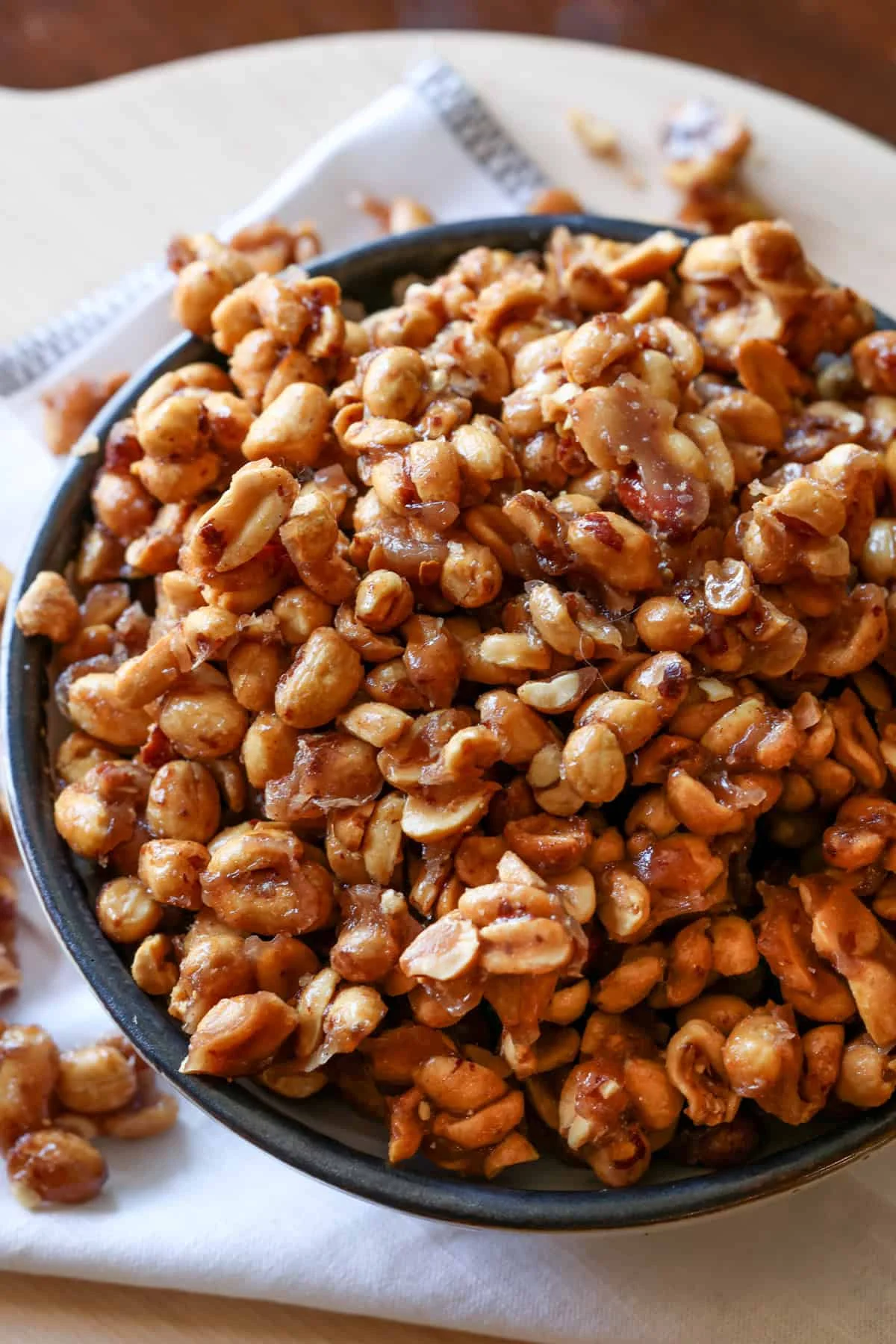
Peanuts are one of the world’s most popular foods, and they are also one of the most misunderstood: they are not true nuts, they grow underground, they are a staple crop for hundreds of millions of people, and they are among the most common triggers of serious food allergy. This guide explains what peanuts really are, what their nutrition looks like, where they are grown, how they are used, and what current health guidance says about peanut allergy and early introduction in babies. For more plain-English explainers on food, health, and technology topics, you can visit AI Power Digest.
A quick note before we begin: this article is general information, not medical or dietary advice. Food allergy can be serious, so decisions about your own health or your child’s should always be made with a qualified healthcare professional.
What Are Peanuts, Really?
In the kitchen, peanuts behave like nuts. In botany, they are something else. According to Wikipedia’s overview of the peanut, the plant (Arachis hypogaea) is a legume in the pea family, and botanically its pods are not true nuts. That puts peanuts in the same broad family as beans, lentils, and peas. The distinction matters for gardeners and farmers, and it also helps explain why peanuts can improve soil, as we will see below.
Legumes, Not Tree Nuts
When people say “nuts,” they often mean a mix of foods: almonds, walnuts, cashews, pecans, and peanuts. Tree nuts come from trees. Peanuts come from a low-growing annual herb, typically 30 to 50 centimeters tall according to the same source. In allergy discussions the two groups are often listed separately, because a person can be allergic to one without being allergic to the other, though some people react to both. If you or your child has a food allergy, ask a clinician which foods to avoid rather than relying on categories alone.
Where the Crop Comes From
The Wikipedia entry says cultivated peanuts are native to South America, east of the Andes, in a region that includes parts of Peru, Bolivia, Argentina, and Brazil. It adds that the cultivated plant arose from a hybrid of two wild species followed by chromosome doubling. From there, peanuts spread across the world and became important crops in Asia, Africa, and North America.
How They Grow: The Underground Surprise
One of the most surprising facts about peanuts is where they form. The plant’s yellow flowers appear above ground and are pollinated there. After pollination, a structure called a peg grows downward into the soil, and the pod develops underground. That is why the crop is also called groundnut in many regions.
Growing Time and Soil Benefits
According to Wikipedia, harvest takes roughly 90 to 130 days for one botanical subspecies and 120 to 150 days for another. Because peanuts are legumes, they also fix nitrogen, which means they can improve soil fertility in crop rotations. That is one reason farmers value them alongside their usefulness as food.
Harvesting and Drying
Farmers loosen the soil, lift the plants, and let the pods dry before separating them. Careful drying and storage matter, because poor conditions can allow mold to develop. Reputable producers manage moisture closely for food safety and quality.
Top Producing Countries
The same Wikipedia entry, citing FAOSTAT figures for 2023, lists China as the top producer at about 19.2 million tonnes, followed by India at about 10.3 million, Nigeria at about 4.3 million, the United States at about 2.7 million, and Sudan at about 1.4 million. World production was about 54.3 million tonnes. These numbers come from a secondary summary of agency data and change from year to year, so check the latest official statistics if you need exact figures for research or business.
Why Production Numbers Shift
Peanut harvests depend on weather, soil moisture, pests, prices of competing crops, and farm policy. A drought or heavy rain in a major producing region can move production noticeably. That is why trade reports often describe a given year’s harvest as better or worse than the previous one.
A Crop in Everyday Economies
For many smallholder farmers in Africa and Asia, peanuts are both a food and a cash crop. In wealthier countries, they feed a large packaged-food industry that includes peanut butter, snack mixes, candy, and baked goods. Because the crop is so widely used, a change in supply can ripple through several industries.
Peanuts Nutrition: What Is in a Handful?
Peanuts are energy-dense and protein-rich. The Wikipedia summary gives approximate values per 100 grams of the raw legume: about 570 kilocalories, roughly 48 grams of fat, and about 25 grams of protein. It notes that the fats are mostly unsaturated and that peanuts contain B vitamins, vitamin E, manganese, magnesium, and phosphorus.
Calories and Portion Awareness
Because the legume is calorie-dense, a small portion carries more energy than the size suggests. A handful can be a satisfying snack, but a large bowl eaten absentmindedly can add up quickly. For exact numbers on a specific product, check the nutrition label, since roasted, salted, honey-coated, and raw peanuts all differ.
Protein and Fats
Peanuts are often chosen as a plant-based source of protein. Their fat content is mostly unsaturated, which is generally viewed more favorably than saturated fat in mainstream dietary guidance. Even so, nutrition needs vary widely by age, health condition, and activity level, and a registered dietitian or doctor can give advice that fits an individual.
Vitamins and Minerals
The vitamins and minerals in this legume include several B vitamins and vitamin E, plus manganese, magnesium, and phosphorus. These nutrients play roles in energy metabolism, nerve and muscle function, and bone health. Eating peanuts is one way to add them to a balanced diet, though no single food covers every need.
Salt, Sugar, and Coatings
Plain kernels and flavored ones are very different products. Salted, sweetened, or heavily coated versions can add significant sodium or sugar. If you are watching your intake of either, read the label and compare brands.
Common Products
The legume appears in many forms, and knowing the main ones helps you read ingredient lists with confidence.
Peanut Butter
Wikipedia describes peanut butter as made from ground dry-roasted peanuts, often with salt, sweeteners, or emulsifiers. Natural versions may separate, with oil rising to the top, and need stirring. Many people use it on toast, in sandwiches, in smoothies, and in sauces.
Peanut Oil
Peanut oil is valued for its mild flavor and high smoke point, and it is mostly monounsaturated fat according to the same source. It is common in frying and stir-frying. Allergy information about oil is nuanced, and we will return to it below.
Roasted, Boiled, and Candied Forms
Roasted kernels, whether in the shell or shelled, are a classic snack. Boiled peanuts are a regional specialty in some areas. Candied and chocolate-coated peanuts are treats that deserve a look at the sugar content. Each form keeps the same allergen, so none of them is safe for someone with peanut allergy.
Other Uses
Beyond food, the crop has other uses. According to Wikipedia, the plant tops can be used for silage, the oilcake left after oil extraction is used as animal feed and fertilizer, and industrial uses of the oil include paint, varnish, and furniture polish. This variety is part of why peanuts are so economically important.
Peanut Allergy: What the Evidence Says
For many families, the first thing that comes to mind about peanuts is allergy. It is a serious topic, and it deserves clear, careful information.
How Common Is Peanut Allergy?
Wikipedia reports that about 1.4 to 2 percent of people in Europe and the United States have allergic reactions to peanuts, which can range from watery eyes to anaphylaxis. Anaphylaxis is a severe, potentially life-threatening reaction that needs emergency treatment. Prevalence estimates differ by country and by how studies are designed, so treat any single percentage as an approximation.
What About Peanut Oil?
The same source states that refined peanut oil does not cause reactions in most people with peanut allergy, while crude, unrefined peanut oil can contain allergenic protein. That is a general statement, not personal advice. A person with peanut allergy should ask their allergist whether any form of peanut oil is acceptable for them, and should read labels and ask about preparation methods when eating out.
Cross-Contact and Labels
Even a trace of peanut can be a problem for a highly allergic person. Cross-contact can happen in factories, restaurant kitchens, and shared utensils. People managing allergy typically read every ingredient list, check “may contain” statements, and communicate clearly with restaurants. Rules about labeling differ by country, so rely on your local food authority’s guidance.
What To Do in an Emergency
Anyone with a diagnosed peanut allergy should follow the emergency plan given by their clinician. Symptoms of a severe reaction can include difficulty breathing, swelling of the face or throat, widespread hives, dizziness, or repeated vomiting. In the event of such symptoms, emergency services should be contacted right away. This article cannot tell you how to treat a reaction, and a doctor can explain whether you need prescribed emergency medication and how to use it.
Early Introduction: What the Guidelines Say About Babies
For years, many parents were told to delay giving peanuts to babies. The guidance changed after a major study.
The LEAP Study
The Learning Early About Peanut Allergy (LEAP) trial was funded by the U.S. National Institute of Allergy and Infectious Diseases. According to Nationwide Children’s Hospital’s summary of the 2017 guidelines, it was a randomized clinical trial of more than 600 infants, reported in February 2015, and it found that regular peanut consumption starting in infancy and continuing to age 5 reduced the development of peanut allergy by 81 percent in high-risk infants. The Immune Tolerance Network describes the same 81 percent reduction and notes that the infants in the study were considered high risk because they already had severe eczema, egg allergy, or both.
The 2017 Addendum Guidelines
Based on that evidence, a 26-member expert panel sponsored by NIAID published Addendum Guidelines for the Prevention of Peanut Allergy in the United States on January 5, 2017. According to the Nationwide Children’s summary, the guidelines have three categories:
- Infants with severe eczema, egg allergy, or both: peanut-containing foods should be introduced as early as 4 to 6 months of age, after the infant has started other solid foods.
- Infants with mild or moderate eczema: peanut-containing foods should be introduced around 6 months of age.
- Infants with no eczema or food allergy: peanut-containing foods can be introduced freely.
For infants in the high-risk group, the summary advises parents to check with their healthcare provider before feeding peanut-containing foods. The provider may order an allergy blood test or refer the child to a specialist for further testing, at the provider’s discretion.
Why You Should Talk to a Pediatrician First
These categories are a summary of published guidance, not a personal plan. Every baby is different, and risk depends on health history and family circumstances. A pediatrician or allergist can say whether and how to introduce peanut-containing foods. Pediatric guidance also generally warns that whole peanuts and thick spoonfuls of peanut butter are choking hazards for young children, so ask your child’s doctor about safe forms and textures.
Cooking and Eating: Everyday Ways to Use This Legume
Outside of snacking, the crop is a flexible kitchen ingredient. In many cuisines, ground or chopped kernels thicken sauces, add crunch to salads, and bring richness to stews. Satay-style sauces, West African groundnut stews, and Southeast Asian noodle dishes all rely on the legume for body and flavor. In baking, it appears in cookies, brittle, and bars, and in breakfast foods it shows up as spreads and granola.
A few general cooking notes can help. Toasting kernels in a dry pan or oven deepens their flavor, but they can burn quickly, so watch them closely. Chopped kernels added at the end of a dish keep their crunch. If you cook for a group, remember that a single dish containing this ingredient can be a problem for a guest with an allergy, so always tell people what is in the food and keep serving utensils separate.
Pairing Ideas
The mild, savory taste pairs well with lime, chili, soy sauce, ginger, banana, chocolate, and oats. Those combinations explain why the same ingredient can appear in both a spicy noodle sauce and a sweet dessert.
Swaps for Allergy-Friendly Kitchens
Households that avoid the allergen often use seed butters or other alternatives. Because “may contain” risks vary by product and facility, read each label carefully, and ask a clinician before trying a new substitute, especially for a child with multiple allergies.
Farming Challenges and Sustainability
Growing the crop successfully takes care. Farmers manage soil health, water, pests, and diseases, and they must handle the crop carefully after harvest. One well-known concern in the industry is mold that can produce toxins when stored badly. For that reason, producers and regulators pay close attention to drying, storage, and testing, and buyers often ask for quality documentation.
On the positive side, the plant’s ability to fix nitrogen can reduce the fertilizer needed in rotation systems, a point highlighted in the Wikipedia overview. That does not make every farm sustainable by default; water use, land management, and transport also matter. If you care about sourcing, look for clear information from brands about where their ingredients come from and how they are grown.
Climate and Weather Risks
Because the crop depends on adequate moisture at key stages, drought and irregular rainfall can reduce yields. Farmers and researchers work on drought-tolerant varieties and better management practices, though results vary by region. When you read forecasts about harvests, check who is making them and treat them as estimates, not guarantees.
Fair Trade and Smallholder Farmers
In many countries, smallholder farmers grow the crop on small plots for both household food and income. Fair pricing, access to storage, and reliable markets can affect their livelihoods. Consumers who want to support smallholders can look for transparent supply-chain information, though labels differ in what they guarantee, so read what a certification actually covers.
Living With a Peanut Allergy: Practical Awareness
This section is general awareness, not medical advice. People who live with the allergy build habits that keep them safe, and the people around them can help.
At School and Work
Schools and workplaces often have written policies about food allergens. If you have a child with an allergy, speak with the school about emergency plans, staff training, and classroom practices. Colleagues and classmates can help simply by washing hands after eating and keeping allergen-containing foods away from shared surfaces when asked.
Eating Out and Traveling
At restaurants, tell the staff clearly about the allergy and ask how food is prepared. Sauces, desserts, and fried foods can hide the ingredient, and kitchens may share equipment. When traveling, learn the local words for the allergen and carry the emergency plan your doctor recommends. Rules on ingredient labeling differ between countries, so a label that is familiar at home may not follow the same rules elsewhere.
Supporting Someone With an Allergy
Friends and family can ask what to avoid, read labels together, and learn the signs of a severe reaction. Treating the allergy seriously, without making the person feel like a burden, is one of the kindest things a host can do.
Buying and Storing: A Simple Shopping Guide
Shopping choices affect taste and safety. Choose packages that are sealed and within their date. Look at the ingredient list for added oils, salt, sugar, or flavorings. Shelled kernels often keep better in airtight containers, while in-shell versions should stay dry. A cool, dark cupboard is usually fine for short periods, and a refrigerator or freezer can extend freshness because the natural oils can turn rancid over time. A bitter, musty, or paint-like smell is a sign to discard.
For peanut butter, natural versions with only the main ingredient and salt will separate and need stirring, while stabilized versions stay smooth. Neither is automatically better; choose based on taste, ingredients, and your dietary needs. Finally, if anyone in your home has an allergy, keep products clearly labeled and store them separately to avoid mix-ups.
How to Evaluate Claims Online
Because this crop touches health, food, and farming, they attract a lot of confident claims online. A simple framework helps.
Check Who Is Speaking
Favor government health agencies, medical centers, universities, and published research. Be cautious about influencers who promise miracle effects or who sell supplements alongside their advice.
Look for the Date
Guidance can change, as the move from avoidance to early introduction shows. Always check when something was published and whether newer information exists.
Separate Population Findings From Personal Advice
A study of high-risk infants does not automatically apply to every child. Similarly, a nutrition average for peanuts does not describe every product on a shop shelf. Use research as a starting point, and ask a professional about your own situation.
Be Careful With Absolute Words
Claims that peanuts “cure” a condition or are “dangerous for everyone” are red flags. Reality is more nuanced: peanuts are nutritious for many people and life-threatening for others.
Verify Numbers
If you see a statistic about production, prices, or allergy rates, look for the source and the year. Many numbers on social media are repeated without context.
Practical Tips for Enjoying Them Safely
These suggestions are general and assume you do not have a peanut allergy. If you do, follow your clinician’s advice instead.
- Read the label. Look at sodium, sugar, and added oils in flavored products.
- Watch portions. They are energy-dense, so a measured serving can be easier than eating from a large bag.
- Store them well. Keep them in a cool, dry place in a sealed container, and discard any that smell musty or look moldy.
- Choose plain options more often. Plain roasted or unsalted kernels keep added salt and sugar low.
- Respect allergies in shared spaces. At schools, workplaces, and gatherings, follow the rules and ask before bringing peanut products.
- Check cooking oil. If you or a guest has an allergy, ask which oil is used and whether it is refined.
Peanuts in Culture and Language
The word also shows up in everyday speech. People say that something is “peanuts” when it is a very small amount of money, and the saying “working for peanuts” suggests low pay. Peanuts are a classic ballpark and cocktail snack, and peanut butter has a place in lunchboxes around the world. Those cultural associations are part of why the topic has such broad appeal, and why a search for the term can lead in many different directions.
Common Myths and Misunderstandings
Myth: Peanuts are nuts. In botanical terms they are legumes, though allergy and labeling rules often group them with nuts for practical reasons.
Myth: Peanut butter is always unhealthy. Nutrition depends on the product, the portion, and the rest of your diet. Plain versions differ from sweetened ones.
Myth: Allergy is always obvious. Reactions vary, so unexplained symptoms after eating are worth discussing with a doctor.
Myth: Delaying peanuts always prevents allergy. The LEAP trial and the 2017 guidelines pointed in the opposite direction for high-risk infants, which is why current advice involves early introduction under medical guidance.
Myth: All peanut oil is the same for allergy. Wikipedia notes that refined and crude oil differ, which is why individual advice matters.
Myth: Peanuts grow on trees. They grow as low plants, and the pods form underground.
Quick Facts at a Glance
- Plant family: legume (pea family), not a true nut, according to Wikipedia.
- Native region: South America, east of the Andes.
- How the pods form: a peg grows into the soil after pollination, so the pod develops underground.
- Approximate raw nutrition per 100 grams: about 570 kilocalories, 48 grams of fat, and 25 grams of protein, per Wikipedia.
- Major producers (2023, via FAOSTAT as summarized by Wikipedia): China, India, Nigeria, the United States, and Sudan.
- Allergy prevalence in Europe and the United States: about 1.4 to 2 percent, per Wikipedia.
- Early-introduction research: the LEAP trial reported an 81 percent reduction in allergy among high-risk infants, as summarized by Nationwide Children’s Hospital and the Immune Tolerance Network.
Keep in mind that these are summary figures from secondary sources. For research, school projects, or business decisions, verify them against the original agencies and studies, and check the date of each statistic. That habit of tracing a number back to its source is one of the most useful skills for evaluating any food or health claim.
Frequently Asked Questions About Peanuts
Are peanuts nuts?
Botanically, no. Peanuts are legumes in the pea family, and their pods are not true nuts, according to Wikipedia. They are still often grouped with nuts in cooking and in some allergy discussions.
Where do they grow?
They are grown in warm regions around the world. Wikipedia, citing FAOSTAT data for 2023, lists China, India, Nigeria, the United States, and Sudan among the top producers.
How do they grow underground?
After the flowers are pollinated above ground, a peg grows into the soil and the pod develops there. That is why the plant is also called groundnut.
How many calories are in a serving?
Wikipedia gives about 570 kilocalories per 100 grams of raw peanuts, with roughly 48 grams of fat and 25 grams of protein. Roasted and flavored products differ, so check the label.
What percentage of people have the allergy?
Wikipedia reports about 1.4 to 2 percent in Europe and the United States, with reactions ranging from mild symptoms to anaphylaxis. Rates vary by region and study.
Should babies eat peanuts?
The 2017 NIAID-sponsored guidelines recommend early introduction of peanut-containing foods for many infants, with timing depending on eczema and egg allergy status, and advise high-risk infants to see a healthcare provider first. Talk to your child’s pediatrician before introducing peanuts.
Is peanut oil safe for people with peanut allergy?
Wikipedia says refined peanut oil does not cause reactions in most people with the allergy, while crude oil can contain allergenic protein. Ask an allergist for personal advice.
Are they good for you?
For people without an allergy, peanuts provide protein, mostly unsaturated fat, and several vitamins and minerals. They are also calorie-dense, so portion size and added salt or sugar matter.
Conclusion: A Humble Food With Big Stakes
Peanuts are a small legume with an outsized role in food, farming, and health. They grow in an unusual way, feed people across the globe, and offer protein and healthy fats. At the same time, they are a leading cause of serious food allergy, and guidance on that subject has evolved based on strong research such as the LEAP trial.
The most useful approach is balanced: enjoy peanuts if they suit your diet, read labels, respect allergies, and ask a professional before making health decisions about yourself or your child. If you would like more clear, source-based explainers, visit AI Power Digest for fresh guides.
Disclaimer: This article is for informational and educational purposes only and is not medical, nutritional, or legal advice. Statistics and guidelines cited come from published sources and may change. Food allergy can be life-threatening; consult a qualified healthcare professional for diagnosis, treatment, and decisions about feeding infants or children.