
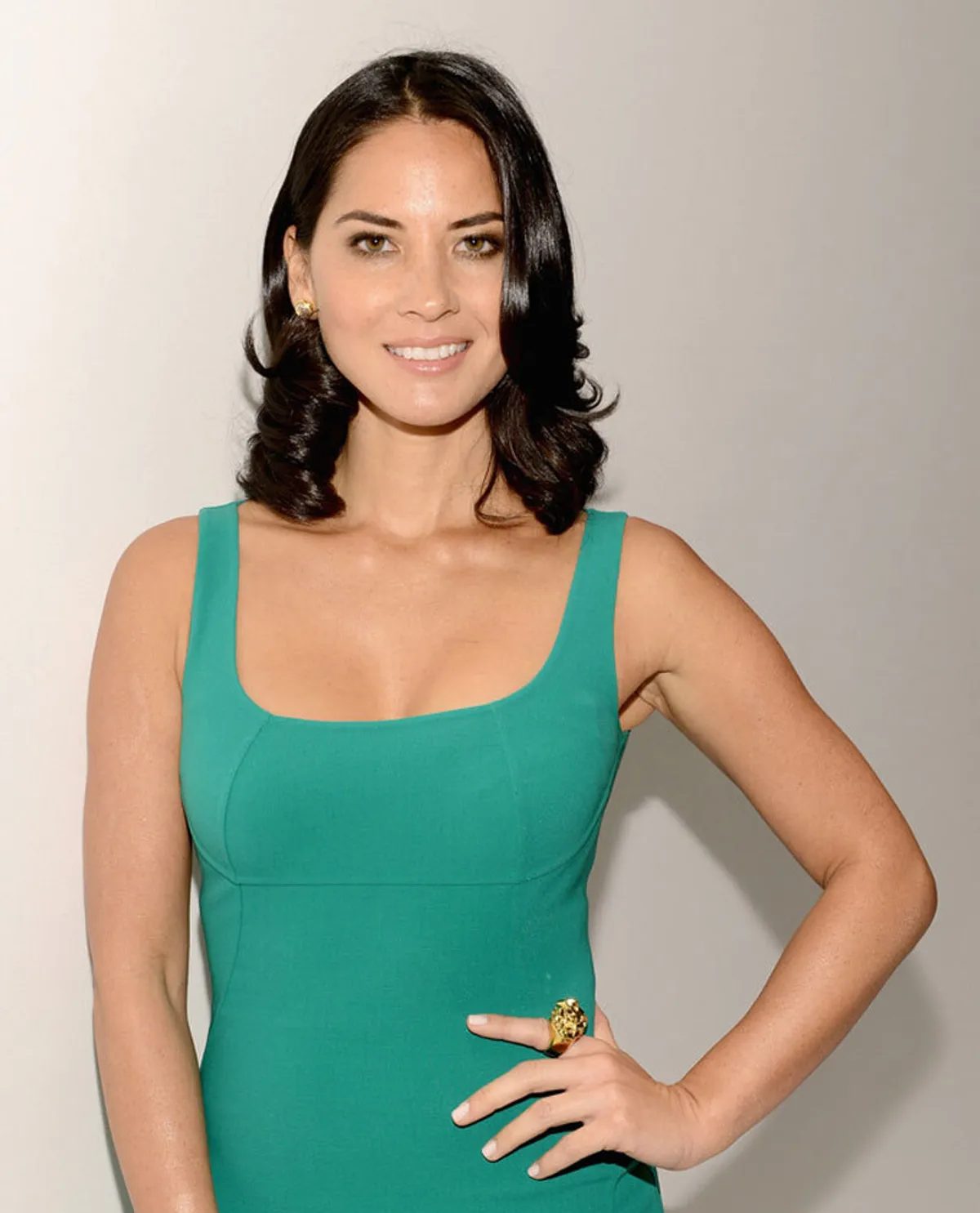
Olivia Munn is an American actress and former television host who has spent more than two decades moving between comedy, action films, prestige television, and, more recently, public health advocacy. Her name trends in search results for very different reasons: some people want to know about her roles in movies and shows, others are looking for her story about breast cancer screening, and many land on celebrity pages that mix real reporting with recycled rumors. In this guide from AI Power Digest, we focus on what can be verified, explain why her health advocacy matters, and give you a practical checklist for judging celebrity headlines yourself.
Quick note: this article is general informational content about a public figure and about public health topics. It is not medical advice, and it is not a substitute for talking with your own doctor. We rely on reputable reporting and on statements Munn has made publicly, and we avoid unverified rumors.
Who Is Olivia Munn?
According to Apple’s profile of the actress, Olivia Munn was born on July 3, 1980, in Oklahoma City, Oklahoma. She became widely known as a co-host of the television show Attack of the Show! and as a correspondent on The Daily Show with Jon Stewart, before building a film and television acting career. In a recent radio interview to promote a new season of her Apple TV series, she also said she originally hoped to become a sports sideline reporter, which helps explain her early move into broadcasting.
That background is worth noticing, because it shaped Olivia Munn’s public persona. Hosting and correspondent work demands quick thinking, comfort in front of a live audience, and the ability to explain complicated ideas in plain language. Those same skills show up today in the way she talks about health, an area where clear communication can literally change outcomes.
Early Career: From Sports and Tech TV to The Daily Show
Before she became a familiar face in movies, she worked in television hosting and reporting. Attack of the Show! was a pop-culture and technology program that gave her a national audience at a time when internet culture and video games were moving into the mainstream. Her stint as a correspondent on The Daily Show then placed her in front of a very different crowd, one that expected satire and sharp commentary.
Moving from entertainment hosting to satirical news is not an obvious path, and it taught her how to perform in several formats at once. When she later transitioned to scripted acting, she brought with her experience in live television, improvisation, and interviews.
Olivia Munn’s Film and Television Work
Over the years, Olivia Munn’s screen credits have ranged from big studio productions to ensemble comedies and streaming series. The list below is not exhaustive, but it covers the projects that most often come up in searches.
Olivia Munn in Movies
Apple’s career summary lists several of her best-known films: Iron Man 2, Mortdecai, Office Christmas Party, Ride Along 2, and The Predator. She also played the mutant character Psylocke in X-Men: Apocalypse in 2016, a role that introduced her to many superhero fans.
A few quick notes on how these projects differ:
- Iron Man 2 placed her in one of the largest franchise ecosystems in film history, in a supporting role.
- Mortdecai was a comedic caper that paired her with a large ensemble cast.
- Office Christmas Party was a seasonal workplace comedy with a big cast of recognizable comedians and actors.
- Ride Along 2 was an action-comedy sequel in which she played a police officer.
- The Predator returned to a long-running science fiction horror franchise.
- X-Men: Apocalypse let her play a martial-arts-heavy character from the comics.
This mix shows how versatile Olivia Munn has been, moving between comedy and action without being locked into a single type of role.
Olivia Munn on Television
On the small screen, Apple’s summary points to the series Perfect Couples and The Newsroom, the latter being a drama about a cable news team. Industry listings also show her in the horror anthology Tales of the Walking Dead in 2022 and in the 2019 series The Rook.
Most recently, she has been part of Your Friends & Neighbors, the Apple TV series that co-stars Jon Hamm. When a new season arrived in spring 2026, she appeared on a sports radio program to promote it, and the interview was summarized on Apple’s podcast listing. If you are looking for where to watch her current work, the safest approach is to check the streaming service’s own page, because release schedules and availability change.
Olivia Munn on Working in Hollywood
In April 2026, entertainment outlets reported on remarks she made during a talk show appearance with Drew Barrymore. According to coverage syndicated from Page Six, she described a past set experience in which a male co-star halted production because he did not want a scene in which a woman’s character rescued his. She said the discussion played out in front of the crew and that a compromise did not really change the underlying issue.
We mention this not to dramatize the story but to show how Olivia Munn tends to speak: directly, with specific examples, and with an emphasis on how workplace culture shapes creative work. As always with an account told in an interview, it reflects her recollection, and readers should treat it as her description of events rather than a verdict on anyone involved.
Olivia Munn’s Breast Cancer Journey and Advocacy
For many people, the most important chapter of her public life has little to do with film sets. It began with a health scare that she chose to share in detail.
The Diagnosis and What She Has Said Publicly
Multiple outlets, including NBC Insider, report that Olivia Munn was diagnosed with breast cancer in April 2023 and had a double mastectomy about thirty days later. She revealed the diagnosis publicly in March 2024, and Olivia Munn has since become a frequent speaker on the topic. According to reporting from TODAY, she had received an unrevealing mammogram only about two months before the diagnosis, which is part of why her story resonated so widely.
What makes Olivia Munn’s account unusual is the path that led to the diagnosis. Reporting from Breastcancer.org explains that her doctor looked at factors such as age, family history of breast cancer, and the fact that she had her first child after age 30, then encouraged her to complete a breast cancer risk assessment. Her score indicated a 37.3 percent lifetime risk, which is considered high. A follow-up MRI then revealed early-stage luminal B breast cancer in both breasts. A separate event program from a Texas health system adds that her genetic testing had come back negative for more than 90 cancer-causing gene mutations, which shows that a negative genetic test does not always mean low risk.
News reports also say she began hormone suppression therapy in late 2023 to reduce the chance of recurrence. She has described her treatment as an ongoing process rather than something that ended with surgery.
What Is the Tyrer-Cuzick Risk Assessment?
Because Olivia Munn’s advocacy centers on one specific tool, it helps to understand what it is and what it is not. The Tyrer-Cuzick model, also called the IBIS model, is a statistical calculator that estimates a woman’s chance of developing breast cancer over a certain number of years and over her lifetime. It takes into account inputs such as age, reproductive history, personal medical history, and family history.
Several important points are worth keeping in mind:
- It is an estimate, not a diagnosis. A score describes risk across a population of similar women. It does not say whether you have cancer or will ever develop it.
- It does not replace screening. A risk score helps decide what screening might be appropriate, such as whether an MRI should be considered in addition to a mammogram.
- It cannot predict recurrence. Breastcancer.org notes that a risk calculator is not designed to assess whether cancer will return in someone who has already had breast cancer.
- Different tools use different models. Providers use several risk calculators, so the number you see may vary by tool.
- Your doctor should interpret the result. Context matters, including your age, family history, and breast density.
The National Cancer Institute publishes general information about breast cancer, including topics on screening and risk, which is a good place to start if you want neutral, non-celebrity sources.
Her Mother’s Diagnosis and the Push for Wider Awareness
In July 2025, Olivia Munn shared on Instagram that her mother, Kim Munn, had been diagnosed with Stage 1 HER2 breast cancer after completing the same kind of risk assessment. According to People-sourced reporting republished by TODAY, her mother’s score had been 26.2 percent, which is also in the high-risk range, and a follow-up MRI led to the diagnosis. Coverage from CNN affiliates adds that her mother completed chemotherapy and that the actress credited the test with helping her family.
In March 2026, a news agency report said she has been working with Senator Mark Kelly to advocate for making lifetime breast cancer risk assessment a standard part of care. She has also appeared as a featured guest at health-system events focused on breast cancer, including a 25th anniversary luncheon described by Baylor Scott & White’s foundation. These are examples of how a personal story can turn into public education.
She has repeatedly framed her message in simple terms. In widely reported comments, she urged people to ask their doctor to calculate a breast cancer risk assessment score. That is practical, actionable advice that requires no special equipment, only a conversation with a clinician.
What Her Story Teaches About Health Screening
A celebrity story is not a medical protocol, but it can prompt useful questions. If you are thinking about your own breast health, consider the following discussion points for your next appointment. None of this is a recommendation for any individual, and your doctor is the right person to decide what applies to you.
Questions to Ask Your Doctor
- Should I complete a lifetime breast cancer risk assessment, and which tool do you use?
- Based on my age, family history, and breast density, what screening schedule makes sense for me?
- If my risk score is high, are additional tests such as an MRI appropriate?
- Do I need genetic counseling or testing, and what would a negative result mean?
- Which symptoms or changes should prompt me to call you between scheduled visits?
Why Risk Assessment Is Not a Substitute for Care
It is worth repeating that a calculator cannot see inside your body. A normal mammogram, a negative genetic test, and a low-sounding family history can still leave a person at meaningful risk. The reverse is also true: a high score does not mean illness is certain. Olivia Munn’s story is memorable because the risk tool prompted further imaging that otherwise might not have happened, but outcomes vary widely from person to person.
If you are worried about a symptom right now, do not wait for an online article or a calculator. Contact a healthcare provider promptly.
Olivia Munn in the News: How to Separate Facts From Rumors
Because Olivia Munn is a recognizable name, headlines about her spread quickly, and not all of them are accurate. This is true for nearly every celebrity, and it is a useful case study in media literacy. A reader who learns to check sources protects themselves against misinformation on any topic, from health claims to finance.
Common Types of Celebrity Hoaxes
- Death hoaxes: Fabricated reports that a public figure has died, often spread through social media posts or low-quality websites.
- Retirement announcements: Claims that an actor is quitting the business, usually without a named source or a statement from a representative.
- Secret weddings and breakups: Relationship stories attributed to unnamed “insiders” with no confirmation.
- Casting rumors: Claims that someone will star in a major franchise, often based on a single anonymous post.
- Fake awards and rankings: Lists that claim a person has been named “most” something by a magazine that never published the ranking.
- Net worth numbers: Estimates presented as facts, often with no clear method.
Some entertainment aggregator pages mix genuine headlines with fabricated or satirical items, and a casual reader can easily mistake one for the other. If a page claims something dramatic and cannot point to a primary source, treat it with caution.
A Simple Verification Checklist
- Check the original source. Did a major outlet, a representative, or the person’s own verified account actually say it?
- Look for multiple independent reports. A real story is usually covered by several reputable outlets, not just one page.
- Read beyond the headline. Many misleading articles contradict their own headline in the first paragraph.
- Check the date. Old stories get recycled as if they were new.
- Look at the site itself. Does it have named editors, a corrections policy, and a track record?
- Be wary of shocking claims with no named sources. “Reports suggest” and “insiders say” are not evidence.
- Search for a denial or correction. If a rumor is false, representatives or reputable fact-checkers often say so.
Why Net Worth Figures Are Unreliable
Search results for celebrity names often feature net worth pages with confident-looking numbers. In reality, entertainers do not publish their finances, and estimates are built from guesses about salaries, endorsements, and investments. Different sites give different numbers for the same person, and some pages show outdated information, such as listing a project as “upcoming” years after it has been released. For that reason, we do not cite a figure here. If a number matters to you, look for how it was calculated and who published it, and assume it is a rough guess.
Why People Search for Olivia Munn
Search interest in a public figure usually clusters around a few themes. Understanding these themes can help you find reliable information faster.
- Films and franchises: People look up her roles in superhero and action films.
- Television: Viewers search for her work on The Newsroom and Your Friends & Neighbors.
- Early hosting career: Fans of Attack of the Show! and The Daily Show remember her from those programs.
- Health advocacy: Readers want to learn about breast cancer risk assessments after hearing her story.
- Interviews and commentary: Talk show appearances and podcasts often generate news cycles.
- Rumors and hoaxes: Unreliable pages exploit her name for clicks, which is why verification skills matter.
When you want accurate answers, start with the primary sources: official social media accounts, interviews on reputable outlets, studio and streaming service pages, and established news organizations.
A Timeline of Olivia Munn’s Public Milestones
Timelines help separate what is documented from what is gossip. The entries below reflect details reported by the outlets cited above, so treat the dates as reported rather than as official records, and confirm anything important with a primary source.
- 1980: Born in Oklahoma City, Oklahoma, according to Apple’s profile.
- Early television career: Co-hosts Attack of the Show! and becomes a correspondent on The Daily Show with Jon Stewart.
- 2010 onward: Appears in films such as Iron Man 2, followed by later credits including Mortdecai, Office Christmas Party, and Ride Along 2.
- 2016: Plays Psylocke in X-Men: Apocalypse.
- April 2023: Receives a breast cancer diagnosis after a risk assessment prompts an MRI, as reported by NBC Insider and others.
- March 2024: Olivia Munn shares her diagnosis publicly and begins urging people to ask about risk scores.
- July 2025: She announces on Instagram that her mother has also been diagnosed.
- March 2026: Reports describe her advocacy work with Senator Mark Kelly on making lifetime risk assessment standard care.
- April 2026: She promotes a new season of Your Friends & Neighbors and speaks about her Hollywood experiences on talk shows.
Looking at the sequence, you can see how her public role has widened. What began as entertainment hosting grew into acting, and in recent years into health communication, a shift that few actors make so visibly.
How to Read Health News About Olivia Munn and Other Celebrities
Celebrity health stories travel fast, and they often get compressed into a single dramatic sentence. When you read about Olivia Munn or any public figure sharing a medical experience, a few habits will help you get value from the story without being misled.
Separate the Personal Story From General Medical Guidance
A personal account is powerful, but it describes one person’s circumstances. Her treatment choices, her test results, and her timeline were shaped by her own history and her own doctors. The lesson that applies broadly, which is that you can ask your doctor about a risk assessment, is different from the details of a particular surgery or therapy plan. Do not copy someone else’s medical decisions.
Prefer Medical Sources for Medical Facts
When an article about Olivia Munn explains how a screening tool works, check whether the explanation comes from a clinician, a cancer organization, or a government health agency. Pages from groups such as Breastcancer.org and the National Cancer Institute are written for patients and reviewed for accuracy. A gossip page is not the right source for deciding whether to schedule an MRI.
Watch for Overpromising Headlines
A headline that says a single test “saved her life” captures her own view of her experience, but it is not a promise about what a test will do for every reader. Responsible coverage notes limits: calculators estimate risk, they do not diagnose, and they cannot predict recurrence. If an article about Olivia Munn leaves out those caveats, look for a more complete source.
Remember the Human Side
Behind every viral headline is a real person and a real family. Her mother’s diagnosis, for example, was shared by the family on its own terms. Sharing and discussing that information respectfully, without speculation about private details, is part of being a responsible reader.
Where to Find Reliable Updates About Olivia Munn
If you want to keep up with her work without wading through low-quality pages, a short list of dependable starting points goes a long way.
- Streaming service pages: For current shows such as Your Friends & Neighbors, the Apple TV page lists seasons, cast, and release information directly.
- Major entertainment and news outlets: Established publications attribute their claims and issue corrections when they are wrong.
- Her own verified accounts: When she announces something personally, such as her mother’s diagnosis, the original post is the primary source.
- Interview transcripts and recordings: Talk shows and podcasts let you hear her words in context instead of through a summary.
- Health organizations: For anything about breast cancer screening, rely on cancer centers, patient organizations, and your own care team.
Following these steps takes only a few minutes and spares you from rumor-driven pages that profit from confusion.
Olivia Munn FAQ
Who is Olivia Munn?
She is an American actress and former television host, born in Oklahoma City in 1980. She is known for co-hosting Attack of the Show!, working as a correspondent on The Daily Show, appearing in films such as Iron Man 2 and The Predator, and starring in television series including The Newsroom and Your Friends & Neighbors.
What is Olivia Munn famous for?
Olivia Munn is famous for her screen work and for her public advocacy about breast cancer risk assessment. After sharing her own diagnosis, she became a prominent voice encouraging people to ask their doctors about lifetime risk scores.
What movies has Olivia Munn been in?
Her credits include Iron Man 2, Mortdecai, Office Christmas Party, Ride Along 2, The Predator, and X-Men: Apocalypse, in which she played Psylocke. Check a trusted film database for a complete, current list.
What TV shows has Olivia Munn appeared in?
Notable television credits include Perfect Couples, The Newsroom, Tales of the Walking Dead, The Rook, and Your Friends & Neighbors on Apple TV.
What did Olivia Munn say about breast cancer screening?
Olivia Munn has said that a breast cancer risk assessment helped lead to her early diagnosis even though a mammogram and genetic testing had not found cancer. She has urged people to ask their doctor to calculate a risk score. Remember that she is sharing her own experience, and your doctor should guide your decisions.
What is the Tyrer-Cuzick test?
It is a statistical risk model, also called the IBIS model, that estimates breast cancer risk over a specific number of years and over a lifetime. It is an estimate rather than a diagnosis, and results should be discussed with a healthcare provider.
Did Olivia Munn’s mother also have breast cancer?
Olivia Munn has said publicly that her mother, Kim Munn, was diagnosed with Stage 1 HER2 breast cancer after taking the same risk assessment test. She shared the news in an Instagram post that was widely covered by news outlets.
How can I tell if a story about Olivia Munn is true?
Look for a named, reputable source, confirm that multiple independent outlets are reporting it, check the date, and be skeptical of anonymous “insider” claims. If a story sounds shocking and no major outlet is covering it, it is probably unreliable.
What is Olivia Munn’s net worth?
Net worth figures online vary widely and are rarely based on verified data, so we do not publish one. Treat any specific number you find as an unverified estimate.
Conclusion: What Olivia Munn’s Story Shows
Olivia Munn’s public life illustrates two lessons that apply well beyond Hollywood. The first is that clear, personal storytelling can turn private health experience into public education, as her advocacy for risk assessment shows. The second is that famous names attract rumors, which makes source-checking an essential everyday skill. Whether you are a fan of her films, curious about her health message, or simply trying to understand how celebrity news spreads, the best approach is to rely on primary sources, reputable reporting, and your own healthcare provider for anything personal.
For more plain-English explainers on technology, media, and the digital world, keep exploring AI Power Digest, where we aim to help readers cut through noise and verify what they read. And if this article encouraged you to think about your own health, the most useful next step is simple: talk with your doctor about screening that suits your situation.
Disclaimer: This article is for general informational and educational purposes only. It does not constitute medical, legal, or financial advice, and it is not affiliated with or endorsed by Olivia Munn or her representatives. Details about public figures and health topics can change, and some information reflects reporting available in October 2026. Always consult a qualified healthcare professional about your own health, and verify news about public figures through reputable primary sources.