
BioWare, the studio behind Mass Effect, Dragon Age, Baldur’s Gate, and Star Wars: Knights of the Old Republic, is closing after 31 years, Electronic Arts confirmed on Wednesday, October 21, 2026. The decision also ends early development on the next Mass Effect game, one of the most anticipated projects in role-playing games, and it arrives as EA lays off roughly 400 people across the company. This guide explains what was announced, what is and is not known about why it happened, what it means for the franchises, and how to read the coverage without getting lost in speculation.
This article is for general informational purposes only. It summarizes publicly reported information about a developing story, and details may change as EA and others release more information. Where facts are unconfirmed or come from anonymous sources, this article says so. For more explainers on how big technology and entertainment stories connect to everyday life, see AI Power Digest.
A note on timing: this article reflects reporting through October 22, 2026, one day after the announcement. Several important questions, such as the long-term plans for the franchises, had not been answered in the coverage reviewed.
The BioWare Closure at a Glance
Here is a summary of what multiple outlets reported.
| Item | What was reported |
|---|---|
| Announcement date | Wednesday, October 21, 2026 |
| What was announced | BioWare is closing; early development on the next Mass Effect is ending |
| Layoffs | About 400 jobs across EA, roughly 3% of the company, per Bloomberg’s source |
| Jobs at BioWare | About 50 |
| Other cancellations | A Sims project codenamed Project Lotus |
| Office closure | BioWare’s Edmonton office |
| Studio age | Founded in 1995, a run of about 31 years |
| Context | The news came about two months after EA’s sale to a group led by Saudi Arabia’s Public Investment Fund |
According to Bloomberg’s report, a person familiar with the company’s plans said EA will cut around 400 jobs, about 3% of its total staff, including roughly 50 at the studio. The number comes from an anonymous source rather than an official EA statement, so it is best treated as a reported figure.
What EA and BioWare Announced
The studio confirmed the closure itself. In a statement posted online, studio leadership said BioWare “is closing and early development on the next Mass Effect project is ending,” according to GamesRadar’s coverage.
The Studio’s Own Words
The statement was personal in tone. GameSpot’s report noted that the team wrote, “There is nothing easy about writing these words,” and Video Games Chronicle quoted the closing message thanking the community: “thank you for being the most meaningful part of our story.” Men’s Journal added that the statement described three decades of building worlds that players connected with through storytelling, memorable characters, and choices that influenced their adventures.
EA’s Reasoning
The Washington Post reported that EA said it would close the studio and its Edmonton office and discontinue development of the next Mass Effect, which was announced in 2020, as it concentrates investment on fewer large-scale projects. That framing, a shift toward fewer and larger bets, is EA’s stated rationale in the coverage reviewed.
What Else Was Cut
GameSpot reported that along with the next Mass Effect, a planned game in The Sims franchise, codenamed Project Lotus, was also canceled. About 50 of the 400 affected employees worked at BioWare, with the remaining roughly 350 elsewhere in the company, according to Bloomberg’s source.
The Next Mass Effect: What Was Canceled
For fans, the most painful detail is the end of the next Mass Effect game.
A Long Wait
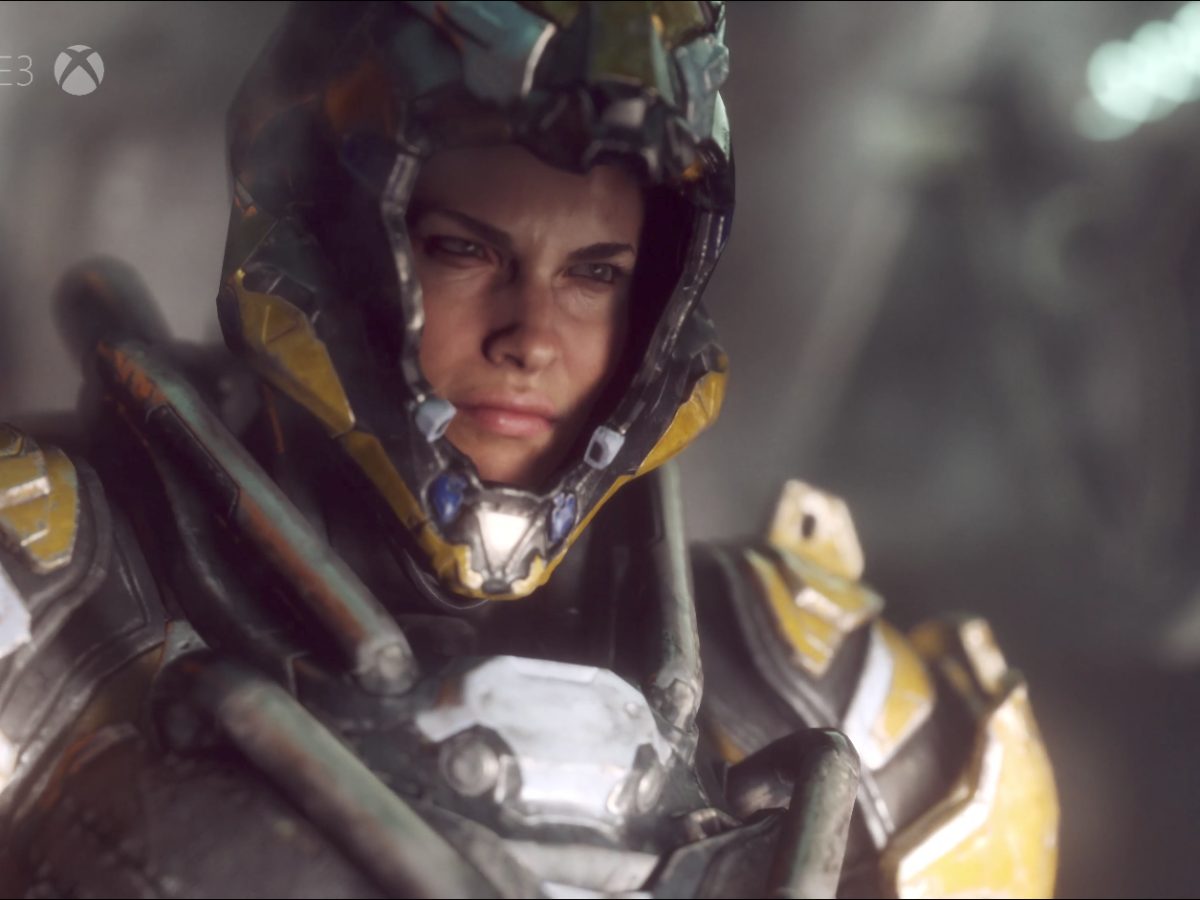
The project was first announced in 2020, according to the Washington Post, and GameSpot noted that development had been underway since at least February 2022. EA and the studio both described it as being in “early development,” and a small team had been working on it, according to the company’s own statement quoted by one outlet. In other words, the game was years from release, and no finished product was lost, but the franchise’s next chapter is now gone.
What Was Never Shown
Because the project was in early development, the public saw very little. Without public details about its story, setting, or design, any claims about what the game would have been should be treated as speculation. Several outlets noted that more detailed accounts of what happened inside the project may emerge later from journalists with sources at the company, but none had been published in the coverage reviewed.
The TV Series
One bright spot for fans, according to Video Games Chronicle, is that the Mass Effect television series is reportedly still in production despite the studio’s closure. Boing Boing’s earlier coverage also referenced a planned Amazon Mass Effect show. That project is separate from the game and is not run by the studio, so its continuation is not surprising, but it means the franchise’s story is not entirely ending.
A Short History of BioWare
To understand why the news hit so hard, it helps to look at the studio’s legacy.
Founding and Early Hits
According to Video Games Chronicle, BioWare was founded in 1995 by Dr. Ray Muzyka and Dr. Greg Zeschuk. BioWare built its reputation on critically acclaimed role-playing games, including Baldur’s Gate, Neverwinter Nights, and Star Wars: Knights of the Old Republic.
The Mass Effect and Dragon Age Era
BioWare’s later work defined a generation of story-driven games. A 2009 EA press release described the community response to Dragon Age: Origins and the upcoming Mass Effect 2, and noted that the studio had offices in Edmonton, Montreal, and Austin at the time. The same release said BioWare, Mass Effect, Dragon Age, and Jade Empire were trademarks owned by EA, which is why the franchises remain EA’s property after the closure.
Commercial Highlights
Statista, citing Game World Observer data as of September 2024, reported that Dragon Age: Inquisition, released in 2014, was the studio’s best-selling game, with more than 12 million copies sold worldwide.
The Difficult Later Years
Several outlets described a rough stretch in BioWare’s later history. GamesRadar noted that Mass Effect: Andromeda and Anthem were commercially and critically disappointing, and that Dragon Age: The Veilguard, released in 2024, fell short of EA’s expectations by “nearly 50%,” a figure reported by that outlet. GamesRadar also said that the studio, a single-player specialist, had been briefly pushed toward live-service games during a development process marked by pivots and reboots. Opinions on how to judge these years vary, and the closure should not be reduced to a single cause.
Why Did EA Close BioWare? What Is Known and What Is Not
This is the question everyone is asking, and the honest answer is that only part of it is publicly known.
What EA Has Said
The stated rationale for the BioWare closure is a focus on fewer, larger projects. The Washington Post described the closure as part of an ongoing contraction in big-budget video game development in recent years.
What Commentators Have Pointed To
Other outlets offered additional context on the BioWare closure. GamesRadar highlighted the studio’s years-long slump, including Anthem and the underperformance of Dragon Age: The Veilguard. Boing Boing’s writer argued that it is hard to imagine many studios surviving back-to-back disappointments, and said we may not know the full story until further reporting emerges. That is opinion, not confirmed fact.
What Remains Unknown
Several questions were unanswered in the coverage reviewed:
- The internal discussions. No detailed account of how the decision was made had been published.
- The financial specifics. EA has not released figures tying the closure to specific costs or savings.
- The role of the buyout. Reporting notes the timing but does not establish a direct cause.
- The future of the franchises. EA had not detailed its plans in the sources reviewed.
Until more reporting emerges, the safest summary of the BioWare closure is that EA announced a cost-cutting restructuring and a focus on fewer large projects, and that the studio’s recent track record and the company’s ownership change are part of the surrounding context.
The Ownership Context: EA’s Sale to a Saudi-Led Group
The timing of the BioWare closure drew immediate attention, because it followed a major ownership change.
What Happened
According to Video Games Chronicle, the news came two months after the completion of EA’s sale to a group led by Saudi Arabia’s Public Investment Fund, in a take-private deal the outlet described as a $55 billion buyout. GamesRadar noted that the deal had sparked concerns about closures and layoffs exactly like this.
How to Interpret the Timing
Timing alone does not prove causation. A company can be restructuring for many reasons, and the announcement may reflect plans that predated the ownership change. At the same time, it is understandable that observers connect the two, since the concern was raised when the deal was announced. The fair reading is that the connection is a reasonable question but not an established fact in the coverage reviewed.
Neutral Questions to Ask
- Did the new owners direct the decision, or did management make it?
- Were these cuts planned before the sale closed?
- Will further changes follow at other studios?
None of these questions had been answered publicly at the time of writing.
The Human Impact: 400 Jobs and an Office Closure
Behind the BioWare headlines are people. Bloomberg’s source said about 400 employees are affected across the company, including roughly 50 at the studio, and the Edmonton office is closing.
Why Studio Closures Hit Communities
A game studio often concentrates specialized talent in one place, so a closure can ripple through a local industry. Edmonton has been the studio’s home for much of its history, according to the 2009 EA release, so the closing of that office is significant to the region and to former employees.
Respecting the Situation
Layoff coverage can sometimes slide into gossip about individuals. This article does not speculate about any employee’s circumstances, and readers looking to support affected developers are best served by looking for official statements and reputable reporting rather than rumors.
Reaction From Fans and Developers
The response to the BioWare closure was immediate and emotional. Video Games Chronicle’s coverage included reader reactions expressing sadness and anger, and the site also highlighted comments from game creators.
Common Themes
- Grief for a formative studio. Many players grew up on these games, and the closure feels personal.
- Frustration with corporate decisions. Some commenters expressed anger about the company’s priorities.
- Skepticism about the studio’s later years. Others argued that the studio’s best work had been behind it for some time.
- Hope for the creators. Several voices said the original creators of the series deserved another chance to make games, a view echoed in a headline about a former developer.
A Dose of Context
Social media reactions are a poor measure of what the majority of players think, and they often contain claims that cannot be verified. They are best read as a sample of sentiment, not evidence about why the closure happened.
Is This Part of a Wider Pattern?
The Washington Post described the closure as part of a continuing contraction of big-budget games, and a Tech Insider report framed the news as one of several studio shutdowns in 2026, though the details of those other cases were not part of the coverage reviewed for this article.
Why Patterns Are Hard to Judge
Studio closures, including BioWare’s, happen for different reasons: a canceled project, a failed launch, a change in ownership, or a shift in strategy. Grouping them together can obscure those differences. A more careful approach is to examine each case on its own facts and then look for common drivers, such as rising development costs or changing audience habits.
What the Evidence Suggests
The statements from EA emphasize a focus on larger projects, and observers across the industry have described a cautious, consolidating environment. That is a reasonable context, but it is not a full explanation of why this particular studio was closed.
What the BioWare Closure Means for Players
For people who own and enjoy BioWare’s games, a few practical questions arise.
Existing Games
Games you have already purchased are part of your library, and nothing in the coverage reviewed suggested that single-player titles would be removed. However, EA had not, in the sources reviewed, detailed what the closure means for support, patches, or online services for existing BioWare games. Check official EA announcements for any changes.
Future Games in the Franchises
With the next Mass Effect canceled, no new game from the series is currently in development at the studio. Whether EA will revive either franchise at another studio, license it, or leave it dormant is unknown. Any claim about a specific future project would be speculation.
Rights Held by Others
Not every franchise the studio worked on belongs to EA. Series such as Baldur’s Gate and Star Wars: Knights of the Old Republic were built on licensed worlds whose rights sit with other companies, so their future depends on those rights holders, not on EA’s decisions about Mass Effect and Dragon Age.
Collecting and Preservation
When a studio closes, players sometimes worry about the long-term availability of digital games. This is a good moment to check how you access your own library and what the platform’s policies are, without assuming that anything is about to disappear.
How to Read Layoff and Closure News Critically
Breaking stories about layoffs, like the BioWare closure, tend to produce confusion. A few habits help.
- Separate official statements from anonymous sources. The studio’s closing message and EA’s announcement are official. The 400-job and 50-job figures come from Bloomberg’s anonymous source.
- Watch for single-source claims. If one outlet reports a striking detail and others do not, wait for confirmation. The “nearly 50%” shortfall figure for Dragon Age: The Veilguard, for example, was attributed to GamesRadar in the coverage reviewed.
- Distinguish reporting from opinion. Several pieces mix facts with commentary. Notice which sentences are verified and which are the author’s view.
- Be wary of causal certainty. Statements like “the buyout caused this” are claims that require evidence.
- Expect updates. Early reports often change as more information becomes available.
- Avoid piling on individuals. Public discussion can quickly turn to blaming specific people, which is rarely supported by evidence in early coverage.
Remembering the Studio’s Legacy
Whatever the circumstances of the closure, BioWare’s influence on games is clear. Its role-playing games helped popularize story-driven, choice-heavy design, with memorable companion characters and worlds that players returned to for years. The Washington Post described the studio as one of the most influential in video games, and Boing Boing noted that it put out some of the best RPGs ever made.
Why the Games Resonated
- Characters. Casts of companions that players grew attached to.
- Choices. Decisions that shaped the story and sometimes carried over between games.
- Worlds. Richly detailed settings, from space opera to dark fantasy.
- Community. Fan communities that wrote, modded, and debated for years.
These qualities are why so many people have reacted so strongly to the closure, regardless of how they felt about the studio’s most recent releases.
A Timeline of BioWare’s Best-Known Games
A quick look at the release years shows how long the studio’s run was and how the later years differed from the earlier ones.
| Game | Release year |
|---|---|
| Baldur’s Gate | 1998 |
| Star Wars: Knights of the Old Republic | 2003 |
| Mass Effect | 2007 |
| Dragon Age: Origins | 2009 |
| Mass Effect 2 | 2010 |
| Dragon Age II | 2011 |
| Mass Effect 3 | 2012 |
| Dragon Age: Inquisition | 2014 |
| Mass Effect: Andromeda | 2017 |
| Anthem | 2019 |
| Dragon Age: The Veilguard | 2024 |
The Statista data cited earlier notes that The Veilguard followed a development process that began around 2015, which gives a sense of how long modern big-budget games can take to make and why a few misses can weigh so heavily on a studio.
What the BioWare Closure Says About Creative Risk in Big Games
It is tempting to read the closure as a simple story of success and failure, but the economics of large-scale games are more complicated. Development cycles of many years, rising costs, and the pressure to deliver hits can leave very little room for a studio to recover from a disappointing release. The reporting on BioWare’s later years reflects this: a long, difficult development of one game, a pivot toward live-service design, and results that fell short of expectations.
That does not mean the studio’s creative approach was wrong, and it does not mean a different strategy would have saved it. It means that studios known for ambitious, narrative-driven games operate under heavy financial pressure, and that publishers are increasingly cautious. Whether that caution produces better games or fewer games is a debate, and this article does not take a side.
If You Are a Fan: Constructive Ways to Respond
Many players are looking for something to do with their disappointment. A few suggestions that do not depend on speculation:
- Replay or revisit your favorites. The games remain in your library, and revisiting them can be a fitting tribute to BioWare’s work.
- Support the creators’ future projects. Many developers who worked at the studio over the years have gone on to other teams and new games.
- Follow official sources. EA and the studio’s own channels are the places to look for confirmed information about the franchises.
- Be kind to current and former employees. Harassment helps no one, and people affected by layoffs deserve respect.
- Stay skeptical of rumors. Claims about secret revivals or hidden causes spread quickly, and most are unverified.
What to Watch Next
Several developments could clarify the BioWare story over the coming days and weeks.
- EA statements on the franchises. Any word on the future of Mass Effect and Dragon Age would be significant.
- The Mass Effect TV series. Updates on its production status will show how the closure affects adjacent projects.
- More detailed reporting. Journalists may publish accounts of the internal decisions that led to the closure.
- Support for affected employees. Information about assistance and next steps for former staff may emerge.
- Further changes at EA. Whether additional cuts or restructuring follow is an open question.
None of this is a prediction, only a list of things that could provide more clarity.
Frequently Asked Questions About BioWare
Is BioWare really closing? Yes. EA confirmed on October 21, 2026, that the studio is closing, and the studio posted a statement confirming that it is closing and that early development on the next Mass Effect is ending.
What happened to the next Mass Effect game after the BioWare closure? It was canceled. The project had been in early development with a small team and was first announced in 2020, according to the Washington Post.
How many people lost their jobs in the BioWare closure? Bloomberg’s anonymous source said about 400 jobs are being cut across EA, around 3% of its staff, including roughly 50 at the studio. EA had not published an official breakdown in the coverage reviewed.
Why did EA close BioWare? EA’s stated reasoning is a focus on fewer, larger projects, according to the Washington Post. Commentators have also pointed to the studio’s difficult recent years and the company’s recent sale, but a full explanation has not been published.
Is the closure connected to EA’s sale to a Saudi-led group? The closure came about two months after that sale was completed, and concerns about closures were raised when the deal was announced, but the coverage reviewed did not establish a direct cause.
What other projects were canceled alongside BioWare? GameSpot reported that a planned Sims game codenamed Project Lotus was also canceled.
Is the Mass Effect TV series still happening after BioWare’s closure? Video Games Chronicle reported that the Mass Effect TV series is still in production despite the studio’s closure.
Who owns the Mass Effect and Dragon Age franchises now? EA owned the trademarks for the studio, Mass Effect, and Dragon Age, according to its own past press materials. Its plans for them were not detailed in the coverage reviewed.
Will my BioWare games still work? Nothing in the coverage reviewed suggested that purchased single-player games would be removed, but EA had not detailed support changes, so check official EA announcements.
Conclusion
The BioWare closure ends a 31-year run for one of the most influential studios in role-playing games, and it ends the next Mass Effect before the public ever saw it. What is confirmed is straightforward: EA announced the closure on October 21, 2026, as part of roughly 400 job cuts, and it is also closing the studio’s Edmonton office and canceling a Sims project. What is not yet known is how the decision was made, how it relates to EA’s recent change in ownership, and what will happen to the franchises. In the meantime, the most reliable approach is to rely on official statements and reputable reporting, treat anonymous-source figures with care, and resist treating speculation as fact. For more explainers on how major technology and entertainment stories connect to the wider world, keep an eye on AI Power Digest.
This article summarizes publicly reported information about a developing story for general informational purposes only. Figures attributed to anonymous sources are unconfirmed, and details may change. Verify current information with official statements from EA and reputable news outlets.