
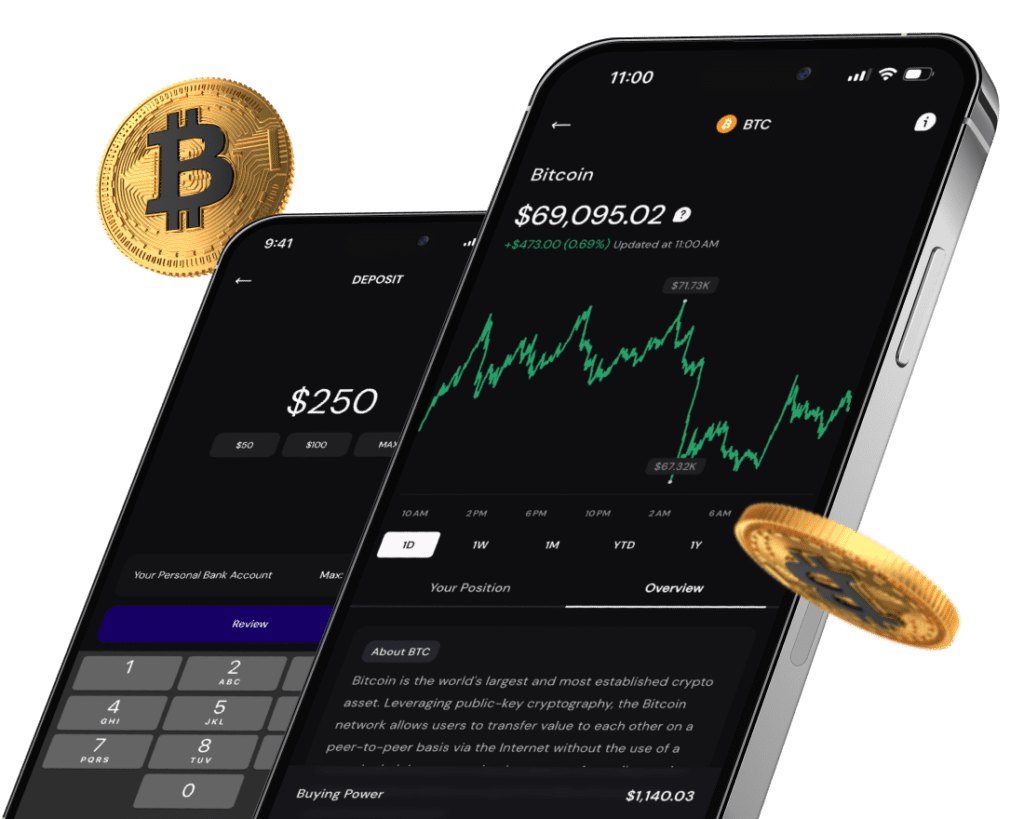
Search for crypto-code.app and you will find a website that presents itself as a source of crypto news and analysis. That description covers thousands of sites, and the crypto world has a serious trust problem: anyone can publish a professional-looking page, fill it with market commentary, add a few affiliate links and call it research. So the useful question is not only what crypto-code.app is, but how you should evaluate a site like crypto-code.app before you rely on it for decisions about real money.
This guide does both. It explains what crypto-code.app says about itself, why the name “crypto code” is confusing, and how to check the domain, the authors, the sources and the business model behind any crypto site. It also covers the risks around trading-software reviews, casino promotions and affiliate links, which often appear on crypto content sites, and gives you a practical checklist you can apply to crypto-code.app or any other site in about ten minutes.
This article is educational, not financial advice, and it does not endorse or accuse any website. We describe only what is publicly visible and what you can verify yourself. For more explainers on technology and digital trends, visit AI Power Digest.
What Is crypto-code.app?
crypto-code.app is a website on the .app domain extension. According to its own homepage, it offers crypto news and analysis. The pages listed on the site cover a mix of topics: articles about new coins and market conditions, guides for beginners about free crypto tools and resources, commentary on the state of the market in 2026, and posts about topics such as trading software and online casinos that accept Bitcoin.
Two points are worth stating clearly. First, a website describing itself as a source of “the best crypto news and analyses” is making a marketing claim, not giving evidence. Every publisher says it is the best. Second, a mixed content menu is not automatically a problem, but it does tell you something about the business model. A site that combines market commentary, software reviews and casino content is often funded by affiliate commissions, sponsored posts or advertising, and those incentives shape what gets written.
So the fair way to approach crypto-code.app is neutrally. Treat it as one source among many, check who is behind it, cross-check its claims with primary sources, and never move money because of a single article.
Why “Crypto Code” Is Such a Confusing Name
Part of the difficulty with crypto-code.app is that “crypto code” is a common phrase with several unrelated meanings. If you search for it, you may see very different results.
Pharmaceutical serialization. In some countries, including Russia’s medicine tracking system, a “crypto code” is a cryptographic code printed on product packaging to verify authenticity. That has nothing to do with cryptocurrency investing.
Referral code apps. Some apps and pages collect exchange referral codes under names like “Crypto Codes.” These help people sign up to exchanges with fee discounts, which again is a different service.
Auto-trading software brands. Over the years, various websites have promoted trading software with names that use words such as “code,” “quantum” or “bitcoin,” promising automated profits with little effort. Regulators have repeatedly warned consumers about this type of promise. Seeing the word “code” in a domain says nothing about whether such software exists or works.
Programming and developer tools. “Crypto code” can also refer to cryptography libraries and smart-contract source code.
Because the phrase is so generic, the name crypto-code.app does not tell you what the site offers or whether it is reliable. It also means that lookalike or copycat sites are easy to create, which brings us to the next point.
Checking the Domain Behind crypto-code.app
Before you read a single article, spend two minutes on the domain itself. These checks apply to crypto-code.app and to every other site you consider.
Confirm the exact address
Scammers register domains that differ from real ones by a hyphen, a letter or a different extension. If you found crypto-code.app through a link in a message, an ad or a social media post, type the address yourself or use a bookmark. A domain with a slightly different spelling, such as an extra word or a different ending, is not the same site.
Understand what .app means
The .app extension is operated by Google Registry, and all .app domains require secure HTTPS connections through a browser security list. That is a useful technical safeguard, because it means connections to crypto-code.app should be encrypted. But encryption only protects data in transit. It says nothing about whether the site owner is honest. Plenty of scam sites have valid security certificates.
Look up registration details
Use the ICANN lookup tool to see when a domain was registered, which registrar manages it and when it expires. Owner details are often hidden by privacy services, which is normal and not a red flag in itself. A domain registered only a few weeks ago that claims years of expertise deserves more scepticism than one with a long history.
Check the site’s history
The Internet Archive’s Wayback Machine shows how a site looked over time. If crypto-code.app changed dramatically, for example from a different topic to crypto content, that can tell you about its origin. Sudden changes in ownership or subject are common with sites that are bought for their existing search rankings.
Run a reputation check
Tools such as VirusTotal can scan a URL against many security databases, and Google’s Safe Browsing site status shows whether Google has flagged a site for malware or phishing. A clean result is reassuring but not proof of quality, and a flagged result is a strong reason to leave.
How to Judge a Crypto News Site Like crypto-code.app
A trustworthy publisher makes it easy to see who is responsible for its content. When you evaluate crypto-code.app, look for the following.
Named authors with verifiable backgrounds. Real bylines link to profiles that show expertise, other publications or professional history. Anonymous authors, generic names and stock-photo headshots are weak signals.
An About page with real information. Look for the company name, location, ownership and a way to contact the team. If crypto-code.app offers only a contact form and no identifiable people, you cannot hold anyone accountable.
Clear sourcing. Good crypto journalism links to primary sources, such as project documentation, block explorer data, court filings, regulator statements and company announcements. If an article on crypto-code.app makes price predictions or big claims without pointing to evidence, treat them as opinion.
Dates and updates. Crypto changes fast. Check publication dates, and be careful with articles that mention old prices or outdated regulations as if they were current.
A corrections policy. Reputable outlets correct mistakes publicly. A site that never corrects anything is either not reading its own content or does not care.
Disclosure of commercial relationships. If crypto-code.app links to exchanges, casinos or software with referral codes, the site should say so plainly. Hidden affiliate relationships are a serious trust problem, particularly in finance.
Editorial consistency. Sites that suddenly switch between unrelated topics, or publish very similar articles at high volume, may be prioritising search traffic over accuracy.
None of these checks proves that a site is reliable. Together, though, they help you decide how much weight to give what you read.
Reading Content Quality on crypto-code.app: Green Flags and Red Flags
When you open an article on crypto-code.app, ask whether it tells you something you could verify. Here is a simple way to sort what you find.
Green flags
- Named authors and clear dates.
- Links to primary sources, such as official documentation, regulator pages and on-chain data.
- Balanced language that describes risks as well as opportunities.
- Explanations of how something works, not only what will happen to the price.
- Disclosures about affiliate links and sponsored content.
Red flags
- Promises of guaranteed or “risk-free” returns.
- Urgency language such as “last chance” or “before it’s too late.”
- Price targets with no method or evidence.
- Unnamed “experts” and testimonials with no way to verify them.
- Reviews that end in a call to sign up with a referral link.
- Generic, repetitive text that reads as if it were produced in bulk.
If crypto-code.app scores well on the green flags and poorly on the red ones, it may be a useful reading source. If not, use it, at most, as a starting point for your own research.
Trading Software and “Code” Systems: What to Believe
Because crypto-code.app carries content about trading software, this topic deserves its own section. Automated trading tools are real, and some exchanges and platforms provide legitimate trading bots. But the online market for “automatic profit” software is full of misleading marketing.
Be alert to these patterns.
Guaranteed or unrealistic returns. No trading system can promise steady profits. Any claim that a program makes a fixed daily percentage is a red flag.
Celebrity endorsements and fake news pages. Scam ads often use fabricated news articles and fake quotes from famous people to make software look credible.
Fake results. Screenshots of profits and demo accounts are easy to fake. Only audited, independently verifiable performance records carry weight.
Deposit pressure. Many schemes ask you to deposit money with a “partner broker” before you can use the software. The broker may be unregulated, and the software may not exist.
Withdrawal problems. Victims often find that balances shown on a dashboard cannot be withdrawn without extra “fees” or “taxes.”
Before trusting any trading tool mentioned on crypto-code.app or elsewhere, check that the company is a real, identifiable, regulated business, read independent user reports, and start by testing with an amount you could lose without harm. The Federal Trade Commission explains how crypto investment scams work, and the CFTC publishes warnings about fraud involving trading systems and digital assets.
Casino and Gambling Content on Crypto Sites
Crypto news sites commonly include posts about Bitcoin casinos, and crypto-code.app is no different in listing articles on that topic. This is worth understanding because these articles are frequently written to earn affiliate commissions when readers sign up.
If you read gambling content on crypto-code.app or any similar site, keep these points in mind.
Affiliate incentives. A “best casino” list may rank operators by the commission they pay, not by fairness or safety.
Licensing. Verify any licence directly on the regulator’s own website, such as the UK Gambling Commission or the Malta Gaming Authority. Do not rely on a badge or a number displayed on a review page.
Self-exclusion. Some content promotes casinos specifically because they are outside national self-exclusion schemes. Steer well clear of that. People who have chosen to exclude themselves from gambling need those protections to work.
Legality. Online gambling is restricted or illegal in many places, and cryptocurrency does not change that.
Responsible gambling. Gambling is entertainment with a negative expected return. If it stops being fun, resources such as the National Council on Problem Gambling and BeGambleAware offer confidential help.
Gambling advertising should always be adults-only, clearly labelled and paired with responsible-gambling information. If a page lacks those things, take that as a sign of a low-quality source.
Why Search Rankings Do Not Prove That crypto-code.app Is Trustworthy
Many people assume that a site appearing near the top of search results must be reliable. That is not how search works. Rankings reflect many signals, including links, keywords, page speed and how well a page matches a query, and they can be influenced by professional search optimization. A page about crypto-code.app or any other site can rank well without being accurate, and low-quality content is sometimes very good at looking helpful.
Search engines also treat finance topics with extra care, because bad advice can harm people’s savings. Google’s guidance on creating helpful, reliable, people-first content emphasizes experience, expertise, authoritativeness and trustworthiness. You can use the same lens as a reader. Ask whether the writer shows real experience, whether the claims are backed by evidence, and whether the site is open about who runs it. If crypto-code.app does not meet that standard on a given article, a high ranking should not change your conclusion.
Using crypto-code.app Safely as an Information Source
You can read almost any website safely if you use it correctly. Here is a practical approach for crypto-code.app.
Treat articles as leads, not conclusions. If crypto-code.app mentions a project, use the article to learn its name, then research it elsewhere.
Go to primary sources. For a coin, read the project’s own documentation and the code repository. For regulation, read the regulator’s page, such as Investor.gov or the SEC. For price and volume data, compare trackers like CoinGecko and CoinMarketCap. For on-chain facts, use a block explorer.
Cross-check with at least two independent sources. If only crypto-code.app and similar sites say something, and no primary source confirms it, be cautious.
Separate news from opinion. A report that a regulator issued a rule is news. A prediction that a coin will double is opinion.
Watch the timing. Articles that push a coin at the exact moment its price is spiking often benefit someone who already owns it.
Never act on urgency. No article justifies rushing. If an opportunity is real, it will still be there after you verify it.
Security Basics When Following Any Crypto Website
Reading is not risk-free, because crypto sites are common vehicles for phishing and malware. Whether you visit crypto-code.app or another site, follow these habits.
Never connect your wallet to a site just to read. A news site has no reason to ask for wallet access. If crypto-code.app shows a pop-up asking you to connect a wallet or sign a message, close it.
Do not download software from articles. Installers linked from blog posts can contain malware. Download wallets and tools only from official sources you have verified separately.
Beware of email and messaging follow-ups. If you subscribe to a newsletter, remember that senders can be spoofed, and never share your seed phrase or passwords with anyone.
Use a separate browser profile for crypto. Keeping your wallet extensions in a dedicated profile with minimal extensions reduces exposure.
Keep software updated and use a password manager. Unique passwords and two-factor authentication using an authenticator app protect your accounts if one site is compromised.
Check links before clicking. Hover over links to see where they lead, and be careful with shortened URLs.
Verify a Claim From crypto-code.app in Five Minutes
Imagine an article on crypto-code.app says a small token “is about to multiply in value.” Here is how to test it quickly.
- Identify the token precisely. Find the exact name, network and contract address, because many tokens share names and symbols.
- Check the source. Does the article link to evidence, or does it only repeat a narrative? Look for a named author and a date.
- Open a block explorer. Look at the holders, trading volume and creation date. A token created last week with a few holders is a very different bet from an established network.
- Check liquidity. If the trading pools hold very little money, you may be unable to sell without crashing the price.
- Search for independent information. Look for discussions, warnings and regulator statements from sources unrelated to the article.
- Ask who benefits. Does the article contain referral links or promotional language? Is the author promoting something they own?
If you cannot pass steps two to five, the honest conclusion is that the claim is unverified, whatever crypto-code.app or any other site says.
Understanding Sponsored Content and Affiliate Links
Many crypto sites earn money when readers click a link and sign up for an exchange, wallet, casino or trading tool. That is a legitimate business model when it is disclosed clearly. It becomes a problem when it is hidden or when it pushes writers toward exaggeration.
In many countries, advertising rules require that paid endorsements be labelled. The Federal Trade Commission provides guidance about disclosures in the United States. On any site, including crypto-code.app, look for phrases like “sponsored,” “advertisement,” “affiliate link” or “we may earn a commission.”
Two practical tips help. Prefer sites that explain their revenue model in an easily found policy page. And when you see a “top 10” list, ask what criteria produced the ranking and whether the list would look different if commissions were removed.
What Beginners Should Do Instead of Relying on One Site
If you are new to crypto, the safest information diet uses several kinds of sources, not just crypto-code.app or any single site.
Learn the basics from neutral educational sources. Regulator investor-education pages and the documentation of major networks explain how things work without selling anything.
Use a small set of trusted news outlets. Choose publications that name their authors, disclose ownership and correct errors, and read more than one.
Follow primary data. Learn to read a block explorer and a token tracker. These show what is really happening, independent of opinion.
Keep a research log. Write down what you checked and what you could not verify. This builds good habits and prevents impulsive decisions.
Start small and stay patient. Use amounts you can afford to lose entirely, and delay any decision that feels rushed.
Sites like AI Power Digest can help you follow technology trends, but every financial claim should still be checked against primary sources.
A 12-Point Checklist Before You Trust crypto-code.app or Any Crypto Site
- Type the address yourself and confirm the exact domain spelling.
- Look up the domain registration date and registrar.
- Check the site’s history on the Wayback Machine.
- Scan the URL with a reputation tool.
- Find named authors and check their backgrounds independently.
- Read the About page and look for a real company and contact details.
- Check whether articles link to primary sources.
- Look for affiliate and sponsorship disclosures.
- Be sceptical of guaranteed returns, urgency and unnamed experts.
- Never connect a wallet or download software from an article.
- Cross-check every important claim with at least two independent sources.
- Invest or gamble only what you can afford to lose completely.
If several answers are unclear, treat the site as entertainment or a starting point at best.
What to Do If You Already Lost Money After Following a Crypto Site
If you acted on advice from crypto-code.app or another site and now suspect fraud, move calmly and quickly. Stop sending money, even if you are told that a final fee will release your funds. Save screenshots, wallet addresses, transaction hashes, emails and chat logs. Contact your exchange or bank if funds passed through them, and report the incident to the FTC or, for internet crime in the United States, to the FBI’s Internet Crime Complaint Center. Outside the US, contact your local police and financial regulator.
Be careful with anyone who contacts you offering to “recover” lost crypto for an upfront fee, because recovery scams target previous victims. Legitimate help does not ask for payment in advance or for access to your wallet.
FAQ About crypto-code.app
What is crypto-code.app?
crypto-code.app is a website that describes itself as offering crypto news and analysis. Its pages cover market commentary, beginner resources and topics such as trading software and Bitcoin casinos. As with any publisher, its self-description is a claim, and you should verify it yourself.
Is crypto-code.app legit?
This guide does not label any site as legitimate or fraudulent, because that requires evidence you can check for yourself. Use the domain, authorship, sourcing and disclosure checks above, and cross-check anything important with primary sources.
Is crypto-code.app a trading platform or exchange?
Its homepage presents it as a news and analysis site, not an exchange. Do not deposit funds on any website unless you have verified that it is a regulated platform and confirmed the address independently.
Is “crypto code” trading software real?
Automated trading tools exist, but the market is full of exaggerated claims. Be very sceptical of software promising guaranteed or effortless profits, and check that any company behind it is identifiable and regulated.
Can I make money by following advice on crypto-code.app?
No website can guarantee profits. Articles are information and opinion, and crypto assets are volatile. Treat every idea as something to research further, and never invest more than you can afford to lose.
Is it safe to visit crypto-code.app?
The .app extension requires encrypted connections, which is a helpful safeguard, but it does not guarantee a safe site. Avoid connecting a wallet, downloading files or entering personal information, and use standard security tools.
How can I tell if a crypto website is a scam?
Look for anonymous ownership, guaranteed returns, urgency, fake testimonials, pressure to deposit money, missing regulatory information and problems withdrawing funds. Check the domain age and reputation, and search for independent reports.
What are safer alternatives for crypto information?
Use regulator investor-education pages, official project documentation, block explorers and established news outlets with named editors and correction policies. Combine several sources instead of relying on one.
Conclusion: Judge the Source Before You Judge the Story
The question behind crypto-code.app is bigger than one domain. In crypto, information is cheap, persuasion is profitable, and mistakes are expensive and often irreversible. A website can look professional, use technical language and still be built to earn commissions rather than to inform you.
So build the habit of checking the source before believing the story. Confirm the exact address, look up the domain, find the people behind the writing, and see whether the claims point to evidence you can verify. Be especially cautious with trading software, casino promotions and any article that creates urgency. Then move from reading to research by using primary sources, block explorers and regulator pages.
Used carefully, crypto-code.app can be one source among many, useful for ideas and headlines but never a reason to move money. The most valuable skill you can build is not finding the perfect site, but knowing how to verify what any site tells you. For more clear, practical explainers on technology and digital trends, visit AI Power Digest.
Disclaimer: This article is for informational purposes only and is not financial, legal or tax advice. It does not endorse or accuse any website, and descriptions of third-party sites are based on publicly visible information and may change. Cryptocurrency assets are highly volatile and can lose all their value. Consult a qualified professional before making financial decisions.