
Last updated: August 11, 2026, based on the Louisiana Department of Health’s August 6, 2026 update.
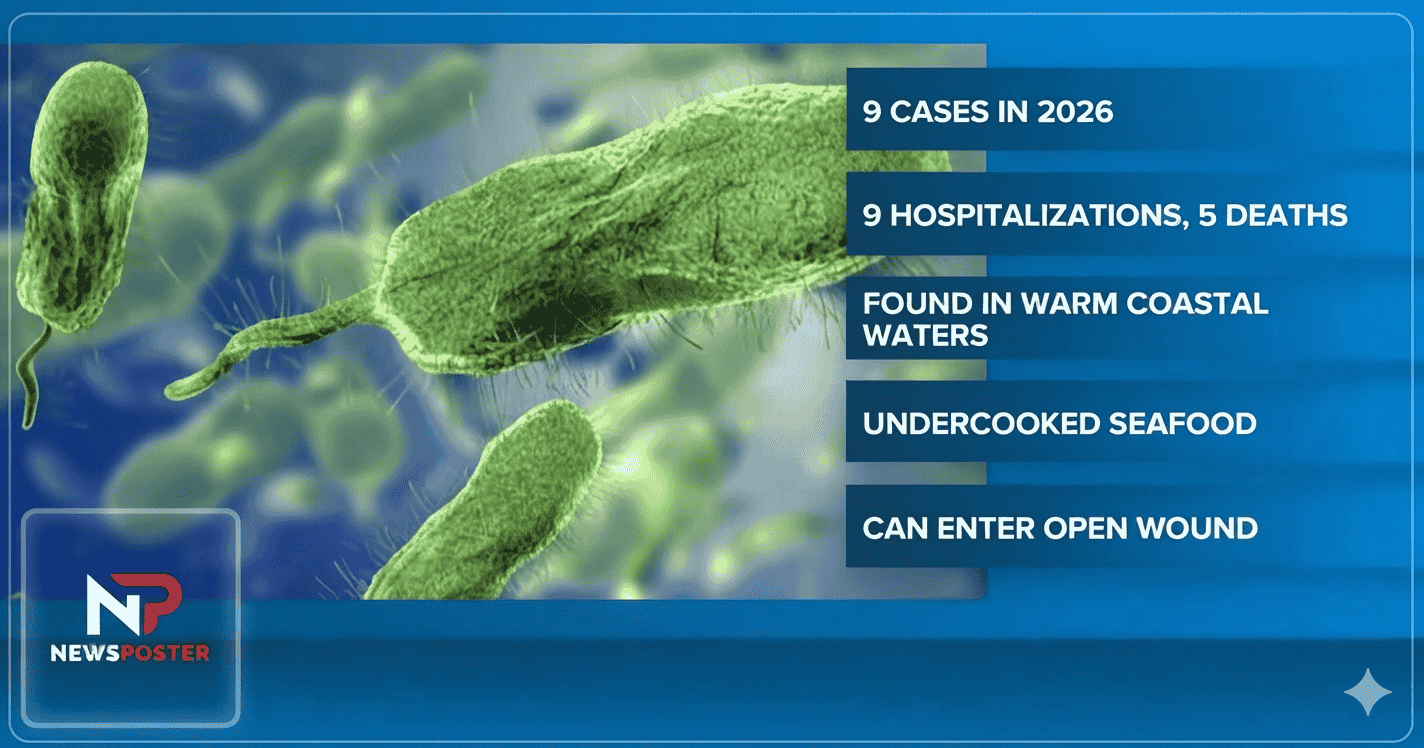
Nine cases. Nine hospitalizations. Five deaths. That’s the toll so far in 2026 from Vibrio vulnificus, the bacterium behind what’s commonly called “flesh-eating disease,” according to the Louisiana Department of Health (LDH). For comparison, Louisiana has averaged just seven cases and one death a year from this infection over the past decade. In other words, this year’s death count alone is already five times the state’s typical annual total — and it’s only August.
If you live along the Gulf Coast, fish or swim in Louisiana’s coastal waters, or eat raw oysters, here’s what’s actually happening, who’s at real risk, and what you can do about it.
What’s Happening Right Now
LDH announced the current numbers on August 6, 2026, urging residents to take precautions around coastal water exposure and raw seafood. All nine of this year’s patients were hospitalized, and five died. Every case reported in 2026 has been linked to a wound exposed to seawater, and every patient had at least one underlying health condition — a pattern LDH has flagged as consistent with prior years but worth repeating: this bacterium disproportionately threatens people who are already medically vulnerable.
To put 2026 in context, here’s how case counts have trended in Louisiana over the past three years:
| Year | Cases Reported | Deaths | Hospitalized |
|---|---|---|---|
| 2025 (full year) | 26 | 5 | 26 |
| 2026 (year-to-date, through Aug 6) | 9 | 5 | 9 |
| 10-year historical average (annual) | 7 | 1 | — |
Two things stand out. First, 2026’s death toll has already matched all of 2025’s, despite roughly a third as many total cases — meaning a higher share of this year’s infections have been fatal. Second, both 2025 and 2026 sit far above the decade-long baseline, part of a broader pattern public health officials have been tracking across the Gulf Coast for several years now.
Louisiana isn’t alone. Maryland has reported 29 Vibrio vulnificus cases so far in 2026, and Florida has recorded two deaths from the infection this year. Experts researching the trend point to warming ocean temperatures as a likely driver, since Vibrio bacteria thrive and multiply more readily as coastal waters heat up, effectively expanding the window and geographic range in which infections can occur.
What Is Vibrio Vulnificus?
Vibrio vulnificus is one of roughly a dozen Vibrio species that can cause illness in humans. It occurs naturally in warm coastal and brackish waters and is present in far higher concentrations between May and October, when water temperatures peak — which is exactly why Gulf Coast states see a seasonal spike in cases every summer.
The bacterium earned its “flesh-eating” nickname because, in some cases, it can trigger necrotizing fasciitis — a severe infection that rapidly destroys skin, fat, and the tissue surrounding muscle. It’s worth noting that Vibrio vulnificus isn’t actually the most common cause of necrotizing fasciitis; that distinction belongs to Group A Streptococcus. But when Vibrio vulnificus does cause it, the infection can progress unusually fast, sometimes requiring emergency surgery, amputation, or intensive care to prevent sepsis and organ failure. National data suggests roughly one in five people who contract this infection die, in some cases within a day or two of symptom onset.
There are two primary ways people become infected:
- Wound exposure: bacteria entering the body through a cut, scrape, or other break in the skin that comes into contact with brackish or salt water. This has been the source of every 2026 Louisiana case so far.
- Ingestion: eating raw or undercooked seafood, particularly oysters, which filter-feed and can concentrate Vibrio bacteria from surrounding water.
Who’s Actually at Risk
Here’s the reassuring part: Vibrio vulnificus infection is not common, and severe illness is heavily concentrated among people with specific underlying health vulnerabilities. LDH has repeatedly noted that all nine of this year’s Louisiana cases involved patients with an existing health condition.
Conditions that raise the risk of infection and severe complications include:
- Liver disease
- Cancer
- Diabetes
- HIV
- Thalassemia
- Receiving immune-suppressing therapy for any condition
- Taking medications that reduce stomach acid
- Recent stomach surgery
If you fall into one or more of these categories, the practical takeaway isn’t to avoid the coast entirely — it’s to be more cautious about open wounds around seawater and more careful with raw seafood.
Symptoms to Watch For — and When to Get Emergency Care
Vibrio vulnificus infections generally show up in one of three ways, and recognizing them early genuinely matters, since this infection can progress quickly.
Wound infection symptoms:
- Fever
- Redness, pain, swelling, or warmth around the wound
- Skin discoloration
- Drainage or discharge from the wound
Bloodstream infection (septicemia) symptoms — considered a medical emergency:
- Fever and chills
- Dangerously low blood pressure
- Blistering skin lesions
Gastrointestinal symptoms (typically from ingestion):
- Diarrhea
- Stomach cramps
- Nausea and vomiting
If you’ve been in coastal or brackish water with an open wound, or you’ve recently eaten raw shellfish, and you develop any of the wound or bloodstream symptoms above, seek medical care immediately rather than waiting to see if it improves. Given how fast this infection can escalate, early treatment is one of the biggest factors in outcome.
Is This a Bigger Regional Trend?
Louisiana’s spike isn’t happening in isolation. Maryland has logged 29 cases in 2026, well above its own historical norms, and Florida has confirmed two deaths from Vibrio vulnificus this year. Taken together with Louisiana’s numbers, public health researchers see this as part of a multi-year pattern across Gulf and mid-Atlantic states, generally attributed to warming coastal waters that let Vibrio bacteria proliferate in higher concentrations, for longer stretches of the year, and in some areas where they historically weren’t as prevalent.
That’s a climate and public-health story worth watching over the next several years — but it doesn’t change the practical guidance for anyone heading to the coast this week: know the risk factors, watch for symptoms, and take basic precautions.
How to Protect Yourself
LDH’s prevention guidance is straightforward and doesn’t require avoiding the coast altogether:
- Cover open wounds. If you have a cut, scrape, or recent surgical wound, avoid exposing it to brackish or salt water, or cover it with a waterproof bandage.
- Watch for infection after exposure. If a wound becomes red, swollen, or painful after contact with coastal water, contact a doctor promptly — don’t wait.
- Be cautious with raw seafood. Cook oysters and other shellfish thoroughly rather than eating them raw, especially if you have any of the risk factors above.
- Practice safe food handling. Wash your hands with soap and water after handling raw seafood, and don’t let raw seafood or its juices contaminate cooked food or other surfaces.
- Know your personal risk. If you have liver disease, a compromised immune system, or another condition listed above, talk to your doctor about additional precautions before spending time in coastal waters this season.
Frequently Asked Questions
Is Vibrio vulnificus contagious? No — it doesn’t spread person-to-person through casual contact. Infection happens through wound exposure to contaminated water or through eating contaminated seafood, not through being near an infected person.
Can I still eat oysters in Louisiana right now? Yes, with common-sense precautions. The primary risk comes from eating oysters raw or undercooked. Thoroughly cooking shellfish significantly reduces the risk, and people with underlying health conditions may want to avoid raw oysters altogether during peak season (May–October).
Is it safe to swim or wade in Louisiana’s coastal waters? For most healthy people without open wounds, yes. The elevated risk applies specifically to people with cuts, scrapes, or wounds exposed to brackish or salt water — particularly those with underlying health conditions. If you have an open wound, it’s worth waiting until it heals or keeping it covered before getting in the water.
How is Vibrio vulnificus treated? Treatment typically involves antibiotics and, in severe wound infections, surgery to remove infected or dead tissue. Because the infection can progress rapidly, early diagnosis and treatment significantly improve outcomes — which is why prompt medical attention for suspicious symptoms matters so much.
Why are cases rising this year? LDH hasn’t attributed a single definitive cause, but the pattern is consistent with what researchers have observed across Gulf and mid-Atlantic states: warmer coastal water temperatures create more favorable conditions for Vibrio bacteria to multiply, potentially expanding both the season and geographic range in which infections occur.